
Books

Jean Trounstine’s experience enables her to present convincingly the desperate circumstances of people whose family members have been arrested and incarcerated, sometimes legitimately, often not.

Protecting the imagination — whether our own or others — means encouraging questions about whose voice isn’t being heard and why, whose words are being erased, and whose stories unsettle the status quo.
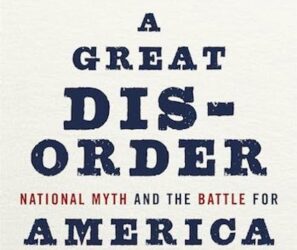
“A Great Disorder ” is brisk, bold, and thought-provoking, but the volume’s muddled concept of myth does it in.

The volume is an ambitious balancing act: the echoes of memory meet the grit of experience, musical language interlaced with occasional thick texture, nostalgic passion counterposed to philosophical calm.

Logan Blackfeather is such a marvelous hero — and he is, in most senses of the word, heroic — that most readers will quickly connect with him and happily trail him through the significant stages of his education.

Let’s hope that this book will provide an overdue and well deserved third act for the poetry of one of the twentieth century’s poetic masters.

Victoria Chang’s collection proffers a valuable invitation to readers to look at realms of the self that they would prefer to ignore.
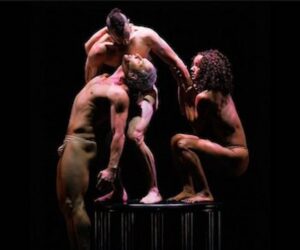
Drawing on wide-ranging research and personal anecdotes gathered during the time he spent with the company, Robert Pranzatelli navigates us through the insouciance and absurdity of Pilobolus’ past.

In this pointed book about the harm done by the super-rich, Ingrid Robeyns is out to convince us that limiting wealth, and reallocating it, will result in a better life for all of us

“The hardest part of the book for me to write was the conclusion. It’s a very dark book. I didn’t want to write a dark conclusion, but I also didn’t want to be Pollyannaish about it.”

Recent Comments