
Joseph Horowitz

Christopher Nolan’s high-tech Homer struggles to achieve epic grandeur; Fritz Lang’s “Die Nibelungen,” with its stylized images and Gottfried Huppertz’s symphonic score, shows what modern spectacle leaves behind.

The widening chasm between European and American orchestras is not just a matter of polish, but of style, inheritance, and musical conviction.
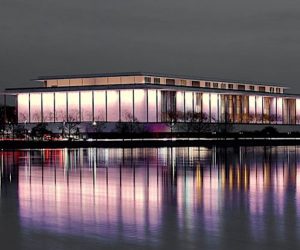
A reconsideration of the Kennedy Center’s unrealized national mission—and what its future could yet hold.
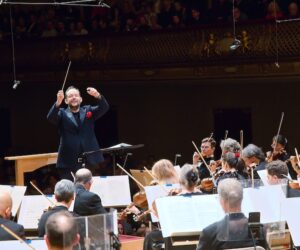
Why festival programming—and humanities partnerships—can help the BSO.

If there is a through-line consolidating Ian Buruma’s account, it is the admonition: Do not rush to judgment.

With today’s Boston Symphony in an uproar, lacking direction, attention should be paid to Henry Higginson, who invented the Boston Symphony. He knew what he was doing. He knew how to scout and hire conductors. He knew what music he wanted played. He knew what the orchestra was for.
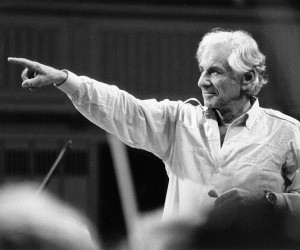
In Boston, Leonard Bernstein might have sustained Serge Koussevitzky’s bold adventure—and changed the course of American classical music. Today’s Boston Symphony is adrift

Arts Commentary: What Historical Fiction Can Teach Us About America
From Peter Quinn’s Civil War New York to Dvorak’s New World, imagined lives can deepen our understanding of the past — and restore the arts to the teaching of history.
Read More about Arts Commentary: What Historical Fiction Can Teach Us About America