
Bill Marx

A hatred of self and others sits, relatively neglected, at the center of Adam Rapp’s script.
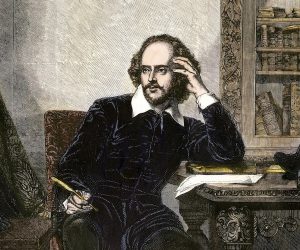
Shakespearean’s version of the Bard comes off as somewhat Monty Pythonesque — we are usually marching along with “Men Men Men.”
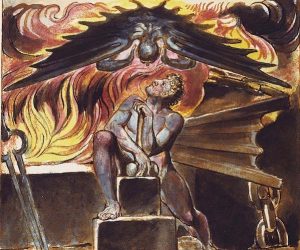
The author’s aim is to render William Blake’s complex vision understandable to novices. It is a lucid effort, though the book presents a disappointingly conventional overview of the artist’s achievement.

“Why read Zola now? Leaving aside sheer enjoyment of his narrative art, I’d say: because his representation of society’s impact on the individuals within it memorably depicts what it means to be a human being in the modern world.”

Published in August of 2020, Oxford University Press’s English translation of Doctor Pascal marked the first time that Émile Zola’s 20-book Les Rougon-Macquart series was available in print under one publisher.
In the age of COVID-19, Arts Fuse critics have come up with a guide to film, dance, visual art, theater, and music — mostly available by streaming — for the coming weeks. More offerings will be added as they come in.

1971 gave us bursts of magnificent cinematic iconoclasm that had no future — culturally or politically.

In the age of COVID-19, Arts Fuse critics have come up with a guide to film, dance, visual art, theater, and music — mostly available by streaming — for the coming weeks. More offerings will be added as they come in.

“Arts journalism should meet the same high standard as other forms of writing but rarely does, even in the good old days.”
Theater Commentary: Theater in a Time of Emergency? — The Same Old Same Old
Are Boston’s stage critics disengaged from reality? Or is it that they are afraid to speak up?
Read More about Theater Commentary: Theater in a Time of Emergency? — The Same Old Same Old