Coming Attractions: August 30 through September 14 — What Will Light Your Fire
Compiled by Arts Fuse Editor
Our expert critics supply a guide to film, visual art, theater, author readings, television, and music. More offerings will be added as they come in.
EDITOR’S NOTE: Boston area theaters have decided to pretty much ignore what is happening in America and beyond — mounting threats to democracy, the country’s slide toward authoritarianism, the climate crisis, growing economic inequality, ICE’s violent roundup of immigrants, the expansion of internment camps, ongoing genocide in Gaza, transphobia, the grueling war in Ukraine, etc. I have decided to point out a production in Coming Attractions — staged in America or elsewhere — that grapples with today’s alarming realities. Sometimes the stagings will be available via Zoom, sometimes not. It is important to present evidence that theater artists — maybe not here, but elsewhere — are reflecting, and reflecting on, the world around us.
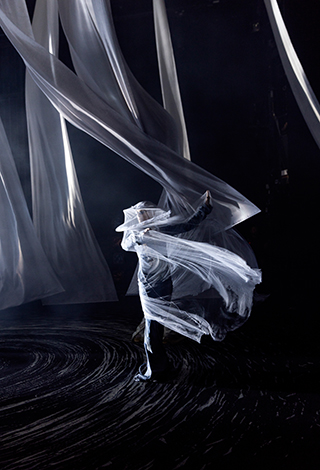
A photo of a production of Blue Skies at the Deutsches Theater Berlin. Photo: Jasmin Schuller
It is early in the theater season, which gives me an opportunity to highlight a fascinating show comprised of photos taken of contemporary German stage productions that assert a progressive political/environmental perspective. In cooperation with the Heinrich Böll Foundation in Washington D.C. and the Department of Theater Arts and the CAST program at Brandeis, the Center for German and European Studies (CGES) is presenting a special photography exhibition entitled Epoch Theater: the Climate Crisis on the German Stage (through the end of November upstairs in Brandeis University’s Farber Library).
“This exhibition brings together photographic works documenting contemporary theater productions in Germany that engage the climate crisis through the legacy of Bertolt Brecht and the methods of epic theater. Rather than presenting climate change as catastrophe alone or as a distant abstraction measured only through graphs, targets, and forecasts, the exhibition approaches climate as a social relation: historical, material, political, and staged.”
“…the exhibition does not seek immersion. It seeks attention. Like epic theater itself, it invites viewers not only to witness the world, but to recognize that it has been made and, therefore, might be made otherwise.”
— Bill Marx
Film
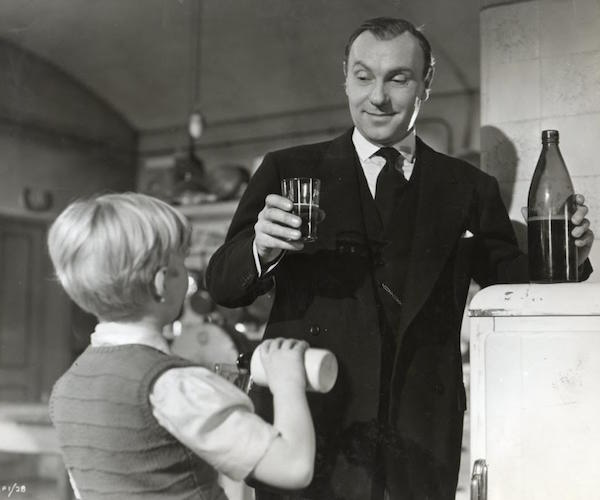
Philippe (Bobby Henrey) shares a glass of pop with Baines (Ralph Richardson) in The Fallen Idol.
The Cold Heart is More Precious than Diamonds. The Cinema of Graham Greene
Through October 19
Harvard Film Archives, 24 Quincy St, Cambridge
The newly opened HFA continues their series of film adaptations from the novels of Graham Greene by great directors. Read editor Bill Marx’s thoughts on Greene as a film critic, Purged by Laughter. From 1935 to 1940, he was the film critic for The Spectator and, for a short period, Night and Day, eventually publishing over 400 reviews
All films are linked to times and descriptions
Ministry of Fear, directed by Fritz Lang, 1944
August 30 at 3 p.m.
Went the Day Well?, directed by Alberto Cavalcanti, 1942
August 31 at 7 p.m.
The Third Man, directed by Carol Reed, 1949
September 4 at 7 p.m.; September 5 at 9 p.m.; September 19 at 7 p.m. October 19 at 7 p.m.
The Fallen Idol, directed by Carol Reed, 1948
September 4 at 9:15 p.m.
Brighton Rock, directed by John Boulting, 1948
September 5 at 7 p.m.
The Fugitive, directed byJohn Ford, 1947
September 7 at 7 p.m.
Travels With My Aunt, directed by George Cukor, 1972
September 19 at 7 p.m.
Homegrown
September 3 at 6 p.m.
West Newton Cinema
“Homegrown follows three conservatives whose activism escalates into a widening conflict over identity, power, and the future of American democracy. Filmed from the summer of 2020 through the spring of 2025, the documentary tracks a father-to-be in New Jersey, an Air Force veteran in New York City, and a Texas activist as they crisscross the country during a period of profound national fracture.
As the United States moves toward political crisis, the film depicts democratic norms eroding not through a single cataclysmic event, but through hundreds of personal choices made by ordinary people. A post-screening panel with the filmmakers and invited guests will examine political extremism, democratic fragility, civic identity, and the choices individuals make in moments of national crisis.”
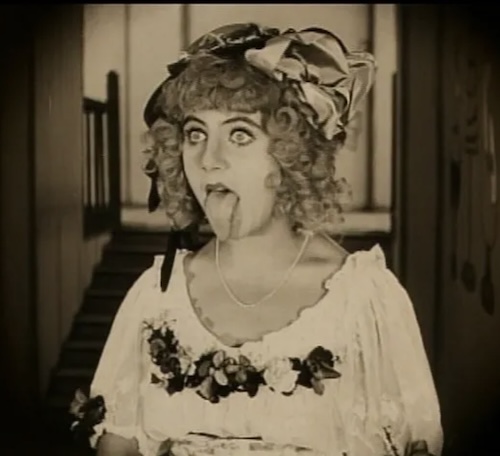
Ossi Oswalda plays Ossi—the dollmaker’s daughter, who impersonates the mechanical “Doll” in The Doll.
Sherlock Jr. and The Doll
September 6 at 1 p.m.
West Newton Cinema
In Sherlock Jr. (1924), Buster Keaton plays a film projectionist who longs to become a detective. When a rival frames him for stealing his girlfriend’s father’s pocket watch, he puts his modest sleuthing skills to the test. His investigation leads into a surreal dream: he steps into the film he is projecting to solve a parallel mystery. The film is celebrated for its groundbreaking visual effects and daring cinematic tricks.
In The Doll (1919), Ernst Lubitsch directs the story of a man whose uncle forces him to marry. Hoping to deceive him, the reluctant groom marries a lifelike mechanical doll instead. Peter Bogdanovich called The Doll “one of the five funniest pictures I’ve ever seen.”
Live accompaniment will be performed by Bruce Vogt, a Canadian pianist with a distinguished career as both a performer and teacher.
Animated Anniversaries
September 4 –10
Brattle Theatre, Cambridge
Spirited Away , September 4-10. it will be presented both with subtitles in 35mm and dubbed in 4K. Check listings for times
Allegro non troppo, September 4 & 5 (New 4K Restoration! 50th Anniversary! )
Metropolis (2001), September 6 & 9 p.m.
Millennium Actress, September 7 & 10 p.m.
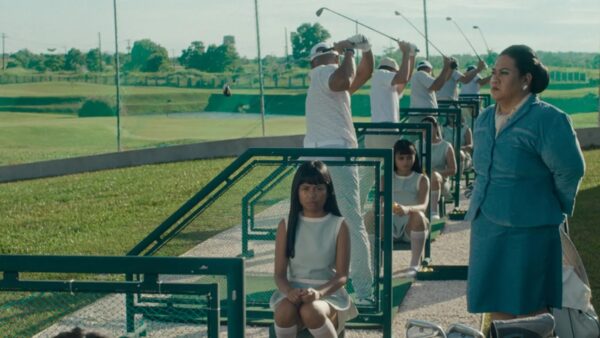
A scene from Filipiñana. Photo: Potocol, Ossian International, Epicmedia, Easy Riders, Idle Eye
Filipiñana
September 11 – 16
Brattle Theatre
Filipiñana explores themes of class, power, historical memory, and Filipino identity. The story revolves around Isabel, a teenage golf caddy working inside an elite country club. Fascinated by the club’s president, Dr. Palanca, she finds herself initially drawn to a man of privilege and power — until she uncovers disturbing realities hidden beneath the antiseptic surfaces of this upper-class institution. She is forced to confront a past shaped by violence and social divisions. The film interweaves a psychological mystery with a commentary on post-colonial society.
Marathon ’77
September 12, beginning at 3 p.m.
Harvard film Archives, Cambridge
1977 was a banner year for the New Hollywood wave, a time of transformation for American cinema and popular culture. Seven films reflecting that period will be shown in beautiful, 35mm prints that are “bathed in the crepuscular glow of the studio system’s slow decline channeling the traumas and tumults of the decade.” All are selected from the HFA collection. “Marathon ’77” will also include rare 16mm short films and many trailers drawn from the vaults of the HFA and the Brattle Theatre. Schedule of screenings
Taiwan Film Festival
September 10 through 19
Virtual screenings, September 22 through October 11
At the MFA, Coolidge Brattle, and Somerville Theatres
Tickets and Schedule
The Taiwan Film Festival promotes Taiwanese cinema, highlighting the country’s rich storytelling tradition.
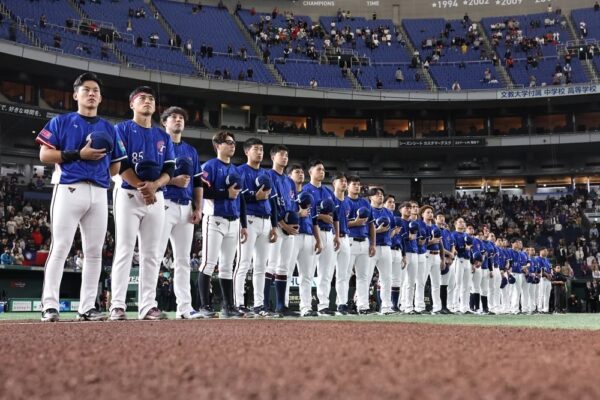
A scene from Hero! Hito!.
Hero! Hito!, September 10 at 7 p.m. Chinese Taipei, the team representing Taiwan in international baseball, embarks on an extraordinary eleven-year journey that moves from the heartbreak of the 2013 World Baseball Classic to an unforgettable international championship victory.
Before the Bright Day, September 14 at 7 p.m. Chou, a sensitive teen craving independence, struggles as the 1996 Taiwan Strait crisis hits his family’s finances and worsens tensions at home. He secretly works at a billiard hall, forming a bond with a gang leader named Button.
Pick of the Week
No (2013), streaming on Amazon Prime
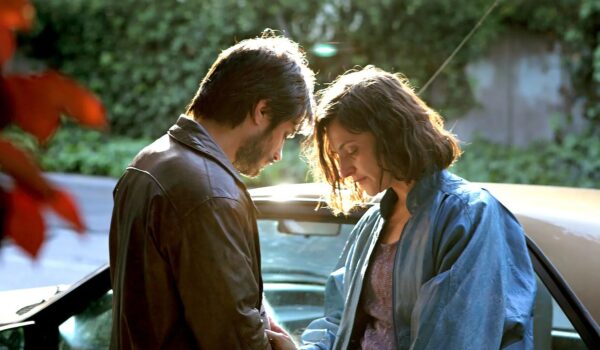
Gael García Bernal and Antonia Zegers in Pablo Larraín’s No. Photo: Tom’s Dittburn/Sony Pictures Classics
In 1988, pressured by his most generous foreign ally, the United States, Chilean dictator General Augusto Pinochet called for a referendum on his presidency after 15 years of a regime characterized by disregard for human rights, murder, imprisonment, exile, and desaparecidos—the “disappeared.” A coalition of political parties opposing the dictatorship approaches a young advertising executive, René Saavedra (Gael García Bernal), to head its campaign. Saavedra is a high paid “closer,” a seducer of clients with a soft voice and good looks. Whether pitching a television campaign for a soft drink or confronting the most important event in his country’s life, his presentations ooze sincerity. But René’s boss, Lucho Guzmán (Alfredo Castro), happens to be a high-ranking member of Pinochet’s advisory board.
Directed by Pablo Larraín (Neruda, Jackie, Spencer) and based on a true story, the film was the first Chilean film nominated for the Academy Award for Best Foreign Language Film. It resonates with the idea that denouncing authoritarianism is not enough. The film poses timely questions: How do you “sell” democracy and humanism? How can you create trust through stories that give people’s lives meaning?
— Tim Jackson
Theater
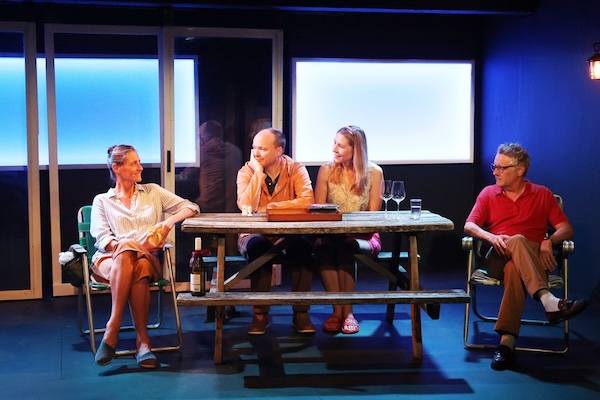
From left: Brenda Withers, Jonathan Fielding, Samantha Steinmetz, and Robert Kropf in the Harbor Stage production of The Realistic Joneses. Photo: Justin Lahue
The Realistic Joneses by Will Eno. Directed by Alison Greene. Staged by Harbor Stage Company, 15 Kendrick Ave, Wellfleet, through September 5
This 2012 dark comedy, which ran on Broadway, is”an offbeat meditation on common names and uncommon connections.” The script focuses on “two neighboring couples—both named Jones—whose awkward small talk gradually gives way to illness, marital strain, infidelity, and fears of mortality. Its dialogue is intentionally elliptical and off-kilter: a suburban relationship drama filtered through absurdism, where people struggle to say what they mean just as their lives become harder to manage.”
Eleanor by Mark St. Germain. Directed by Bryn Boice. Staged by Central Square Theater at 450 Massachusetts Avenue, Cambridge, through October 11.
The script is an “intimate portrait of Eleanor Roosevelt, the most consequential First Lady in American history. ” She “offers her reflections on love, loss, politics, and purpose as she revisits her marriage to Franklin, her activism, and her role in shaping modern human rights.” Multiple Elliot Norton Award winner Paula Plum stars. The Arts Fuse review of the 2025 Portland Stage production of the one-person show.
[title of show], Music and lyrics by Jeff Bowen and a book by Hunter Bell. Directed by Lisa Tierney. Music direction by Robert Draper. Staged by The Treehouse Collective at Chelsea Theatre Works, 189 Winnisimmet Street, Chelsea, through September 13.
The summary of the musical on the Treehouse Collective website: “Jeff and Hunter, two self-confessed nobodies in New York, make a pact: They will write an original musical and submit it to a festival. The only catch? The deadline is in three weeks! With nothing to lose, they decide to try to create something new with the help of their friends Susan, Heidi, and Larry on the eighty-eights. With the full team assembled, Jeff and Hunter hit another roadblock – what should they write about? They decide to follow the old adage “write what you know,” and set off on a unique adventure: writing a musical about writing a musical. As the deadline looms, insecurities creep in and jealousies flare. Will the team succeed with their musical? Could it even win a Tony?!”
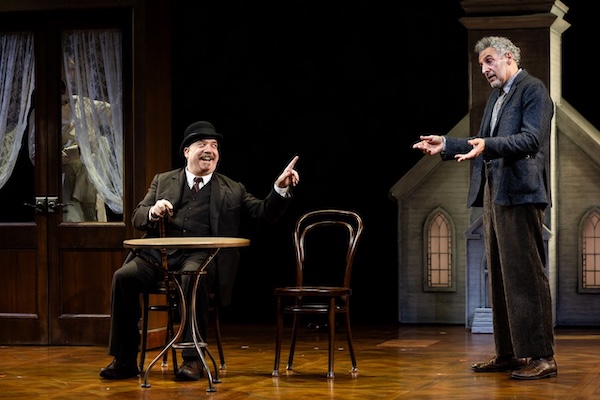
Paul Giamatti (Jean) and John Turturro (Berenger) in the American Repertory Theater production of Rhinoceros. Photo: Hawver and Hall
Rhinoceros by Eugène Ionesco. Translated by Derek Prouse. Directed by Diane Paulus. At the Loeb Drama Center, Cambridge, through September 27.
The American Repertory Theater adapts Ionesco’s absurdist 1959 comedy about authoritarian creep, though in this case it is a thunderous stampede. Earlier productions of the play included Orson Welles directing Laurence Olivier in London and a 1961 Broadway staging featuring Zero Mostel, Eli Wallach, and Jean Stapleton. The A.R.T cast is led by Paul Giamatti and John Turturro. Is this the year of the rhino? Arts Fuse review (My review of a production of the script earlier this year at the Yale Repertory Theatre.)
Yellow Wallpaper 2.0-2020 by Jennifer Maisel. Directed by Judy Braha. Staged by Great Barrington Public Theatre in the Great Hall at Saint James Place, 352 Main Street, Great Barrington, through September 6
An adaptation/update of Charlotte Perkins Gilman’s short story “The Yellow Wallpaper,” written in 1892, that is set in the early days of the COVID-19 pandemic. “An overwhelmed adjunct professor, newly a mother, struggles to make sense of their suddenly chaotic reality, her postpartum depression and the mysteries hidden inside their inherited ‘prewar-6’ apartment on the Upper West Side.” The cast features Cloteal Horne as the play’s heroine, T., and Matt Neely as her husband, John. “There will be a series of 5 post-show conversations focused on subjects like mothering during the pandemic, Postpartum Depression, and the historic diagnosis of Hysteria as a woman’s illness. Each will have a special guest speaker who is an expert in the subject of discussion.”
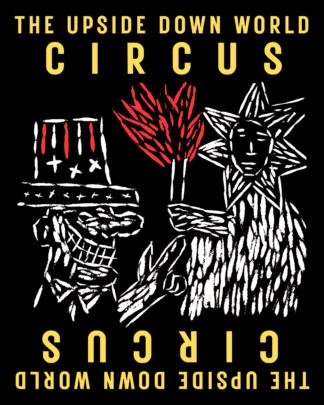 The Upside Down World Circus, written and performed by Bread & Puppet. Presented by the Cambridge Arts Council at the Cambridge Common, Cambridge on September 6.
“Get ready for a show featuring puppets big and small, acts serious and silly, and performances slapstick and sublime. Stilt dancers, paper maché beasts, and a riotous brass band make a raucous, colorful spectacle of protest and celebration.”
“Is it or is it not?
Am I asleep or am I awake?
Am I a cockroach or am I a me?
Possibilitarians! We must demonstrate humanity’s upside-down situation in the face of the government’s depraved falsehoods. Luxury silence and despair must be replaced by revolt orchestras that radically oppose the radically wrong system.
It is time to unforget the revolution-in-progress and aim for the evermore on the universe’s shore.”
Steeped(品) by Yide Cai. Directed by Skye Xiaotian Lu. Presented by the Studio 170 Artist Residency at the Goethe-Institut Boston, September 8 through 20.
A very imaginative scenario from poet and dramatist Yide Cai. A workshop production of “a metatheatrical play that reimagines the Boston Tea Party from the perspective of the tea itself — a leaf that refuses to be a lifeless symbol but rather faces its death. It is set on the 250th anniversary of the Boston Tea Party, where two actors are rehearsing a new Boston production about the Tea Party written by a playwright based in New York. One night, the tea puppet they are playing as a prop speaks to them, and tells them that it is the tea lying at the bottom of Boston Harbor for the past 250 years, plucked from a tree in China, processed, shipped, commodified, and ultimately dumped into the sea.”
“Encouraged by the tea, the actors begin staging a revolution of their own—questioning their playwright, resisting the regional-to-Broadway development pipeline, and demanding independence from the theater industry apparatus that profits from their labor. Yet their ambition for recognition threatens to sabotage the very freedom they seek. Amid this unraveling, Tea pushes for the control of its own fate, not to win an ideological battle, but to escape eternal symbolism and finally live, and die, as something human rather than a prop in someone else’s myth.” The artists involved include scenographer Qingan Zhang, designer Xinyue Zhang, and actors Naomi Kim and Jaime José Hernández. A panel discussion will follow the show.
Purpose by Branden Jacobs-Jenkins. Directed by Josiah Davis. Staged by the Huntington Theatre Company at the Calderwood Pavilion, 527 Tremont St. Boston, September 10 through October 11.
Winner of the 2025 Pulitzer Prize and a Tony Award for Best Play, this script by one of America’s leading playwrights centers on the politically prominent Jasper family, whose public image of moral leadership is strained during a family gathering. It examines generational conflict, inherited expectations, faith, political identity, private betrayals, and the burden of a celebrated family legacy. “I’m gesturing at the romanticization of the Civil Rights Movement,” Jacobs-Jenkins has said about his drama, “and, let’s say, the commodification of it, or the kind of distilling it into its symbols.”
— Bill Marx
Television
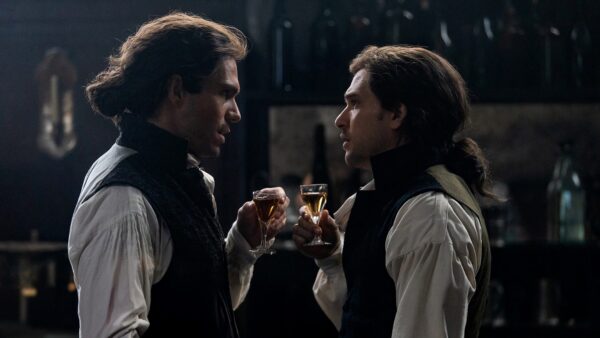
François Civil as Charles Darnay and Kit Harington as Sydney Carton in the latest adaptation of Charles Dickens’s A Take of Two Cities. Photo: Marcell Piti)
Repeat after me: SUMMER IS NOT OVER.
The autumnal equinox is a time of shifting energy—a good moment to look at our habits and make changes. More nature, less digital. Less doomscrolling; more reading, more movies, and good TV.
If you’re jealous of your film-critic friends heading off to Venice, Toronto, or London, you might soothe your angst by catching up on recent movies or TV shows you’ve been meaning to see but haven’t gotten around to yet. The Bride! is streaming pretty much everywhere now. If you haven’t seen Maggie Gyllenhaal’s brilliant, genre-bending interpretation of Mary Shelley’s Frankenstein, you’re in for a deliciously wild ride. Starring Jessie Buckley, Christian Bale, Peter Sarsgaard, Annette Bening, and Jake Gyllenhaal, the effort deserves your full attention—so turn off your phone and dim the lights. Arts Fuse review
Also check out Wuthering Heights, adapted and directed by Emerald Fennell. I had mixed feelings about this one, but its visual boldness is intriguing and the cast is excellent.
The immediate success of Damon Lindelof’s Lanterns on HBO is prompting viewers to check out his 2014–17 HBO series The Leftovers, which is also excellent. So many first-rate shows are being overlooked because there is just too much choice—it is like facing the overwhelming lineup of candidates in the cereal aisle at the grocery store. If you like darker fare, several excellent shows from the past few years were canceled prematurely, including Lovecraft Country (HBO, 2020), Archive 81 (Netflix, 2022), Outer Range (Prime Video, 2022–24), Raised by Wolves (HBO, 2020–22), and Motherland: Fort Salem (Freeform, 2020–23).
The Gentlemen, Season 2, September 3, Netflix: I loved the first season of this clever crime-thriller-comedy series. An earlier version premiered in 2019, also directed by Guy Ritchie. When Eddie (Theo James) inherits his family’s massive English estate, he discovers that it has become the linchpin of a sprawling local marijuana empire. Trying to navigate the financial and criminal implications of this operation—while keeping his reckless older brother, Freddie (Daniel Ings), in check—pushes Eddie to his limit. Eventually, the anti-hero decides to join forces with the crime syndicate. The show boasts a fabulous cast, sharp writing, and plenty of suspense, humor, and action.
A Tale of Two Cities, September 6, MGM+: This miniseries adaptation of Charles Dickens’s 1859 novel is written and directed by Daniel West (Top Boy). Kit Harington (Game of Thrones, Industry) and François Civil star as two men—an English lawyer and a French spy—who look remarkably alike and fall in love with the same woman, played by Mirren Mack, amid the chaos of the French Revolution. Judging from the show’s trailer, the series looks to be beautifully produced and well acted.
The Emmy Awards are on September 14. Other than that, there seems to be an awful lot of football and derivative reality TV happening over the next two weeks. Let’s hope the autumn season brings better things—as it always does.
— Peg Aloi
Visual Art
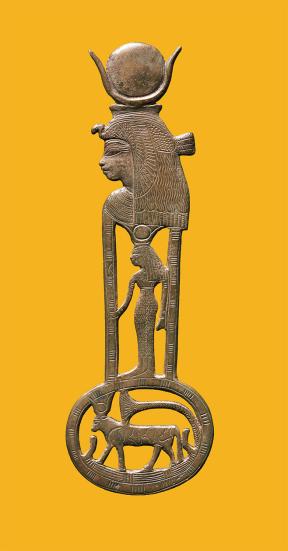
Unknown artist, necklace counterpose with Queen Tiye as the goddess Hathor, Egyptian, New Kingdom, Dynasty 18. reign of Amenhotep III, 1390-1352, BCE. Photo: Boston MFA
Ancient Egypt’s 3,000-year, perpetually fascinating history makes America’s quarter millennium seem like a rounding error: more than 170 kings in 31 dynasties ruled over a vast empire centered on the world’s longest river. Over all this time, Egypt’s pharaohs maintained a remarkable cultural continuity, burnishing ancient traditions century after century.
But there were exceptions. The MFA’s fall exhibition, Maverick Kings: Three Visionary Pharaohs of Egypt’s Golden Age, focuses on Egypt’s 18th dynasty, the so-called “golden age” from 1550 to 1292 BCE, and three of its most exceptional rulers, all from the same family: Hatshepsut, Amenhotep III, and Akhenaten. All three brought stunning changes to Egyptian culture and society; two were so exceptional that they were removed from the list of pharaohs and erased from history, their portraits defaced and their monuments—and even an entire capital city—abandoned to the sands.
In organizing the show, which opens on September 6, the MFA was able to draw on its own outstanding collection of Egyptian art, one of the most important in the world outside Egypt itself, and to add loans from other major collections, including those of the Metropolitan Museum of Art and the Egyptian Museum in Berlin. The selection emphasizes how these rulers used visual images “to achieve and retain political power.” Visitors can see major monuments to Hatshepsut, a rare female Egyptian ruler, including the only 18th-dynasty royal sarcophagus outside Egypt. A nearly six-foot statue of a falcon represents the large statues of deities favored during Amenhotep III’s reign, which was one of the most successful in Egypt’s history.
The most radical of the three, Akhenaten, attempted to change the Egyptian state religion into the world’s first monotheistic cult, pushing the ancient gods aside in favor of a single deity, Aten, whose symbol was the disk of the sun. Portraiture during this period contrasted sharply with tradition, both in depicting its rulers as individuals and in emphasizing strange new proportions: narrow shoulders, slender waists, and elongated features. A portrait of Akhenaten’s son, Tutankhamen, illustrates the style. Under Tutankhamen’s rule, the old gods were restored and his father’s legacy effaced.
Opening September 5 at the MFA is Nook Matsubara’s Woodblock Worlds, a celebration of the seven-decade career of a Japanese artist who has special ties to Boston, where she met her late husband at the MFA. The museum now holds nearly 40 examples of her work. Öyvind Fahlström: Are You Happy? focuses on the playfully political work of Swedish-American artist Öyvind Fahlström, who is sometimes associated with the Pop Art movement of the 1960s because of his use of cartoon and other popular-culture images. The show features his 1966 film Mao-Hope March, documenting a performance piece carried out on the streets of New York at the height of the Cold War.
The British landscape painter John Constable, born the same year as the United States, receives his own 250th-anniversary celebration at the Yale Center for British Art beginning September 3. John Constable: The Landscape Reimagined is “the only major US exhibition to focus on the seminal British painter on the 250th anniversary of his birth.”
A better subtitle for this show might have been “The Landscape Unimagined,” because Constable’s great achievement was to alter the picturesque traditions of European landscape painting. Those traditions focused especially on Italian models of idealized and formalized classical views, largely imagined by the artist; Constable instead turned to nature itself. He carefully observed and painted clouds and noted the changing effects of light and atmosphere by working out of doors. In so doing, he helped elevate landscape into perhaps the most serious and prominent of painting genres.
The son of a prosperous grain and coal merchant and provincial farmer, Constable was trained at the Royal Academy Schools in London but struggled for years against the conservative ideas of the British art establishment, which had trouble comprehending his on-the-spot approach to painting and his “very green” canvases. Later, when full recognition came, Constable had transformed the way the English countryside was seen, influencing generations of painters and creating the pastoral image of the British landscape that has prevailed to this day.
The Yale show includes famous paintings such as Hadleigh Castle and works not previously seen in the US. Selections of Constable’s justly celebrated cloud studies, drawings, and engravings are intended to “illuminate the remarkable breadth of Constable’s achievement as a painter, printmaker, and draftsman” and reveal his influential creative process. Works by his contemporaries, including John Linnell and Richard Parkes Bonington, provide context. Altogether, the exhibition promises to be the best chance to see and assess Constable’s achievement on this side of the Atlantic for many years to come.
On September 8, the Mount Holyoke College Art Museum emerges from a summer of renovation and reorganization to celebrate its own anniversary—150 years since its founding in 1876. Four shows will be on view when the museum reopens its doors. MHCAM at 150: Our New Collection Galleries unveils a fully reinstalled permanent collection, the first total update, the museum says, in decades. Formerly organized by region, the revised arrangement is chronological in ways intended to “emphasize continuity, improve traffic flow, and foreground accessibility.” Long-featured and well-known works are hung alongside “rarely displayed” and even “never-before-seen” examples.
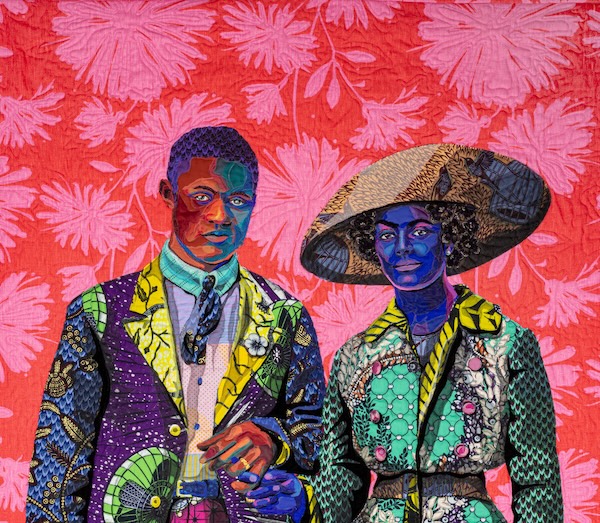
Bisa Butler, Broom Jumpers, 2019. Photo: courtesy of the Mount Holyoke College Art Museum
Holyoke’s Art Histories: The Past as Provocation promises to be one of those introspective installations that have been a feature at many American art museums since the pandemic. “Much of the work in this exhibition can be understood as corrective,” says the museum, “aiming to reassess and repair by bringing to the forefront perspectives typically excluded from Eurocentric narratives.” Artists in the group show “draw upon history in the creation of their work, whether as a source of inspiration, a critical reframing, or an act of reclamation.”
The third in Mount Holyoke’s lineup, Faith Ringgold’s America, features the work of one of America’s best-known and most politically engaged African American artists. Particularly active in the Black Power and feminist movements of the 1960s and ’70s, Ringgold was relentless in her deconstruction of American mythmaking. She set a prominent example often emulated by younger politically engaged American artists.
The Holyoke exhibition highlights two print portfolios that reinterpret and contrast two American texts about freedom: the Declaration of Independence and Martin Luther King Jr.’s Letter from Birmingham Jail. Related works on view include images of the artist’s choices for American heroes. They will be joined later in the spring by other works from the collection, deepening Ringgold’s narratives of American history.
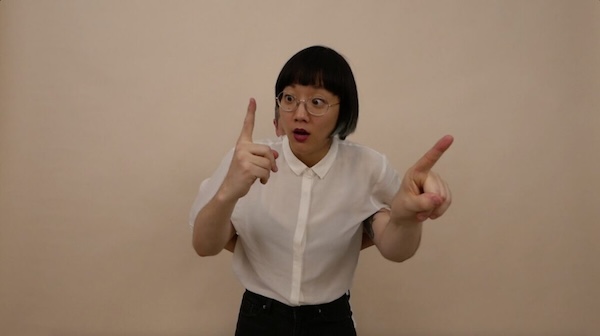
Christine Sun Kim, Thomas Mader, Classified Digits. Photo: courtesy of the Mount Holyoke College Art Museum
Finally, Black Box 1: Christine Sun Kim—Classified Digits will inaugurate Holyoke’s new exhibition series devoted to video and new media. In this edition, Christine Sun Kim collaborates with conceptual artist Thomas Mader in a humorous tour of American Sign Language through everyday encounters, a journey designed “to illustrate both the grammatical structure of ASL and the inherent cooperation at the root of all communication.”
Far less well known than its glory days of the 14th, 15th, and 16th centuries, the baroque period in Florence was dominated by the Medici grand dukes and by a 17th- and 18th-century cultural scene prompted by their vast patronage. That patronage included the founding of more than 20 artistic, literary, and scientific societies, as well as the rise of Italian opera and public theater. The nearly 40 works on view in the Currier Museum of Art exhibition Florentine Baroque feature scenes from the Florentine stage mounted in lavish, gilded period frames. The exhibition is drawn from the collection built by Houston-based collector Sir Mark Haukohl, now the most important private collection of Florentine Baroque art in North America. The Currier show, which opens September 10, offers New England’s first chance to see these works.
The English term diaspora, from the Greek for “scatter” or “spread about,” was first applied to the European Jewish community in the 16th century. Since then, it has been used to describe any group displaced from its home country—by war, revolution, natural disaster, slavery, economic or forced migration, government policy, religious persecution, or other causes—while maintaining its original identity and cultural traditions in a new country. A series of recent museum exhibitions has focused on various diasporas, some new and some older, as a way to unite scattered peoples through the visual arts.
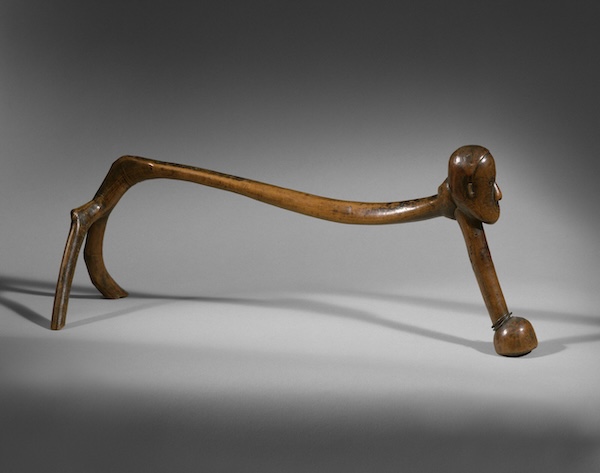
Headrest. Nguni (Ngoni) or Tsonga; southeast Africa, late 19th–early 20th century. Wood and metal wire. Yale University Art Gallery, Charles B. Benenson, B.A. 1933, Collection
Nguni: Migrant Nations of Southeast Africa, opening at the Yale University Art Gallery on September 11, is the first exhibition to explore the visual arts of the culturally important Nguni diaspora of early-19th-century southern Africa, when war and the formation of new nation-states dispersed Nguni communities as far north as Tanzania. Drawn from collections in South Africa, Europe, and the United States, the objects in the show include shields, spears, axes, works in wood, fiber, and ceramic, and elegant jewelry in bone, brass, and beadwork.
In the popular narrative, art in late-19th-century Western Europe was dominated by the bright colors and sunlit scenes of Post-Impressionism and artists such as Seurat, van Gogh, and Cézanne. Yet the parallel Symbolist movement occupied the same fin-de-siècle period and cultural space, sometimes even including the same artists. As a group, the Symbolists thought art most properly reflected inner, emotional, and spiritual states rather than the outside world, partly reflecting a return to the ideas of the Romantics earlier in the century. Their work incorporated dreams, visions, the occult, mystery, ambiguous imagery, and provocative themes such as fear, love, anguish, and death.
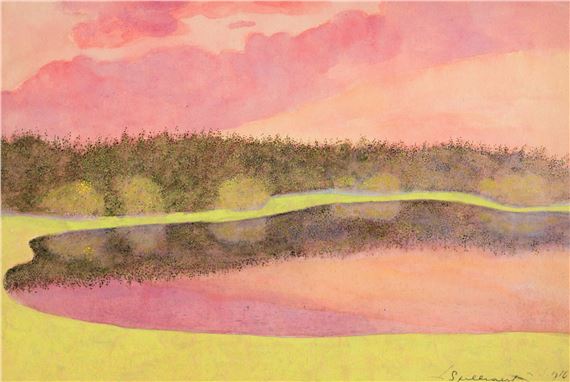
Léon Spilliaert, Pond in the Marie Henriette Park, Pink Dawn, 1916. Watercolor, gouache on paper. Photo: courtesy of the McMullen Museum of Art
An exhibition of more than 150 important works from the particularly strong Belgian branch of the movement opens at the McMullen Museum of Art on September 8. Shadows and Light: Symbolist Art in Belgium: Works from the Hearn Family Trust features one of the most important private collections of Belgian Symbolist art. Most of the names in the show will be unfamiliar to local visitors, but the works, rich in imagination and evocative power, are very likely to entrance them.
Communities of Puerto Rican heritage make up around 40 percent of Hartford, Connecticut’s population and maintain a strong cultural and social identity. So it is natural that the Wadsworth Atheneum should mount exhibitions such as Batey Boricua! Creamos Nuestro Espacio | We Create Our Space, opening September 3. Batey is derived from the term for the central gathering place of the pre-conquest Taíno peoples who occupied the island before Spanish colonization. Borikén was their name for the island itself. The Wadsworth exhibition is thus another diaspora show, exploring the tensions of living in half-spaces between different worlds.
“Being Boricua,” the museum explains, “can mean making a home in the in-betweens: dreaming or fantasizing about permanence; inhabiting many spaces and never quite feeling settled.” The works in the show, made in a variety of media by Puerto Rican artists with a connection to Connecticut, “invite the public into their inner worlds through works that embody orishas, ancestors, memories, histories, mythmaking, place mapping, and the future shaped by human hands.”
— Peter Walsh
Jazz
Bay State Hot Jazz Festival
August 30 from 11 a.m. to 3 p.m.
Condon Shell, Medford, Mass.
FREE
The second day of this weekend free festival in Medford features the Catnip Junkies, Josiah Reibstein and the Hubtones, Dixie Diehards Traditional Jazz Band, and festival hosts Annie and the Fur Trappers. The 2-Bit Stompers host between-set open jams.
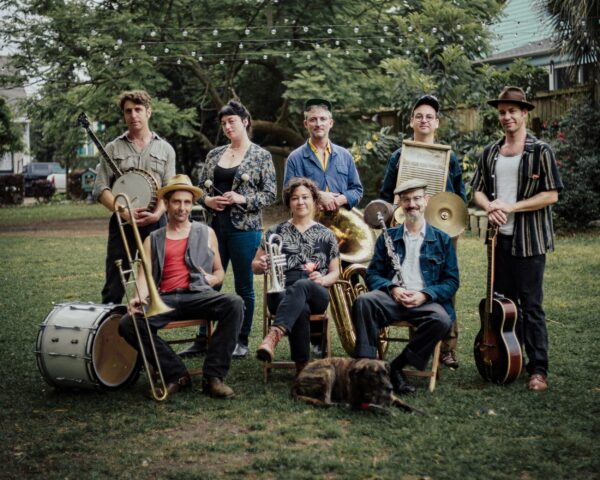
Tuba Skinny will be performing in Rockport. Photo: Noé Cugny
Tuba Skinny
Sept. 1 at 5 p.m. and 8 p.m.
Shalin Liu Performance Center, Rockport, Mass.
One of my favorite current working bands makes one of its regular stops, for two shows, at Rockport Music. Led by cornet player Shaye Cohn, New Orleans’s Tuba Skinny focuses on the deepest of deep cuts from the early jazz and blues era: Armstrong, Oliver, Kid Ory, Jabbo Smith, early Ellington, Bo Carter, Blind Boy Fuller (“Oh Red”), Jimmie Rodgers, and oddities like the Nassau String Band’s 1935 “Belamina” (peerlessly sung by guitarist Greg Sherman).
Pat Loomis Band
September 3 at 6 p.m.
Long Live Roxbury Brewery & Taproom, Boston
FREE
Saxophonist Pat Loomis leans toward New Orleans second-line and old-school funk, straight-up blues, and the occasional well-chosen standard (“Willow Wee for Me”), all done with loving precision. The band is the leader on alto and soprano, Rusty Scott on Hammond B3, Antonio Loomis (Pat’s son) on guitar, and Zeke Martin on drums. This is part of the Long Live Roxbury free Thursday night music series.
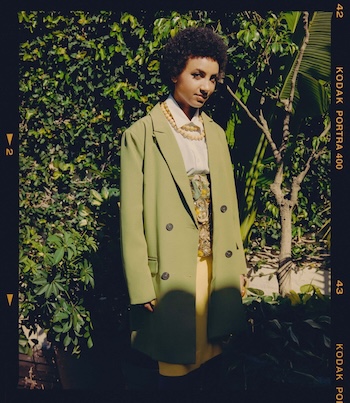
Bassist, singer, and composeresperanza spalding. Photo: Pedro Napolinario
esperanza spalding
September 4-6 at 7:30 p.m.
City Winery, Boston
The bassist, singer, and composer esperanza spalding’s most recent album was a duet affair with the towering Brazilian singer and composer Milton Nascimento. Her past work also includes collaboration with Wayne Shorter on his long-gestating opera Iphigenia and any number of wide-ranging solo projects. For these three shows she’s joined by guitarist Matthew Stevens (a comrade going back to her Berklee days) and drummer Eric Doob.
Attias/Davis/Mela
September 5 at 7 p.m.
Lilypad, Cambridge, Mass.
In another of those one-of-a-kind configurations, Michaël Attias — a widely traveled longtime habitue of the NYC progressive jazz scene — comes north to join forces with drummer Francisco Mela (the Fringe) and pianist Kris Davis. Attias will play alto and C-soprano saxophone.
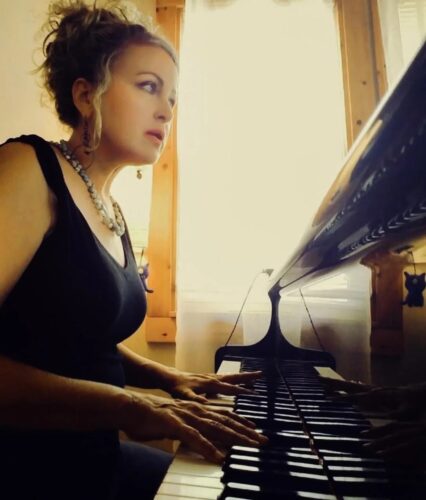
Keyboardist and composerNina Ott. Photo: courtesy of the artist
Nina Ott
September 10 at 6 p.m.
Eustis Estate, Milton, Mass.
Back in April (for a show at Long Live Roxbury), I wrote, “The . . . well-travelled keyboardist and composer Nina Ott (Detroit born, she had a longtime gig in Chicago’s Green Mill house band) has a knack for bringing subtle Afro-Cuban rhythmic detail and sophisticated harmonies to her groove-oriented jazz.” Her feel for organ-trio jazz is a world away from the “greasy” grooves of yore, with its own introspective flow. For this Mandorla Music show at the Eustis Estate, she leads a trio with bassist Chris Lopes and drummer Steve Langone, focusing on “original works that emphasize collective improvisation and shifts in rhythm and texture.”
Duochrome
September 10 at 7 p.m.
Regattabar, Cambridge, Mass.
Saxophonist Jared Sims and trombonist Brian Thomas (BT ALC Big Band) lead this old school jazz-funk band with new-school twists in arrangements and improvisations. (If you’re keeping a box score, their “Sky View,” from 2022, was a modest Spotify hit.) The band also includes pianist Amy Bellamy, guitarist Steve Fell, bassist Nate Edgar, and drummer Tom Arey (Vapors of Morphine).
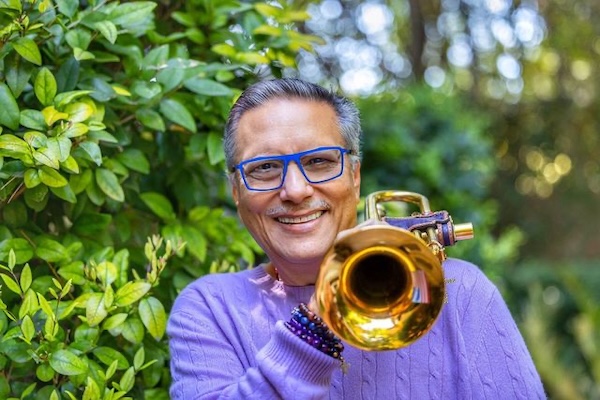
Cuban trumpeter Arturo Sandoval. Photo: courtesy of the artist
Arturo Sandoval
September 10-12 at 7 p.m. and 9 p.m.
Scullers Jazz Clubs, Boston
Cuban dynamo Arturo Sandoval returns to Scullers for six shows with a lavishly appointed nonet. The trumpet star famously defected from his home country in 1989 while under the wing of mentor Dizzy Gillespie. These days, in addition to trumpet, he plays piano and keyboards along with percussion. The band includes, trumpeter Keith Fiala, tenor saxophonist Mike Tucker, baritone sax Larry Bustamante, guitarist Will Brahm, pianist and keyboardist Lisandro Pidre, bassist Roberto Vizcaino, and drummer Daniel Feldman.
Tríptico
September 12 at 3 p.m.
Cathedral Church of Saint Paul, Boston
FREE
A rare chance to catch a rare chamber ensemble in a perfect setting, for free. The deeply schooled (and highly accomplished) guitarist and composer Claudio Ragazzi is joined by guitarist Georgie Rodriguez and singer/percussionist Manolo Mairena playing “contemporary Latin jazz standards and originals.” The show is part of Vivo Performing Arts’ free Neighborhood Arts program.

French-born jazz singer Cyrille Aimée. Photo: Deborah Anderson
Cyrille Aimée
September 12 at 7 p.m.
Regattabar, Cambridge, Mass.
The French-born singer (now living in New Orleans) has long been an impressive, versatile stylist, making waves since winning the Montreux Jazz Festival Competition in 2007. She’s as authoritative with Stephen Sondheim and jazz standards as with Edith Piaf and a number of nicely turned originals. Her backing band includes pianist Mathis Picard, bassist Tamir Shmerling, and drummer Pedro Segundo.
Greg Loughman Trio
September 13 at 4 p.m.
QArts Gallery, Quincy, Mass.
With Kenny Werner and Mark Walker
You’ve probably caught bassist Greg Loughman, pianist Kenny Werner, and drummer Mark Walker individually in any number of bands on the Boston scene — each is a highly esteemed player in his own right. For this show, presented my Mandorla Music and the New England Jazz Connection, they come together under Loughman’s banner, playing original compositions by he and Werner “alongside inventive, fresh arrangements of jazz standards, blending lyrical expression with adventurous improvisation.”
— Jon Garelick
Brad Mehldau: Ride into the Sun – the Music of Elliott Smith
September 2 at 8 p.m.
Groton Hill Music Center, Groton, Mass.
Jazz pianist Brad Mehldau met the haunting, haunted indie-folk artist Elliott Smith in the late 1990s at producer Jon Brion’s nights at Largo, the Los Angeles club. He felt a connection to both Smith’s music and his depression. Mehldau paid homage to the late singer-songwriter on his 2025 album Ride into the Sun, mixing covers of Smith’s songs with originals.
He is tapping that well again on a brief tour with an all-star ensemble: mandolinist and singer Chris Thile, guitarist Blake Mills, drummer Matt Chamberlain, and bassist John Davis, joined by members of the 17-piece chamber orchestra A Far Cry, conducted by Dan Coleman.
–Paul Robicheau
Classical Music
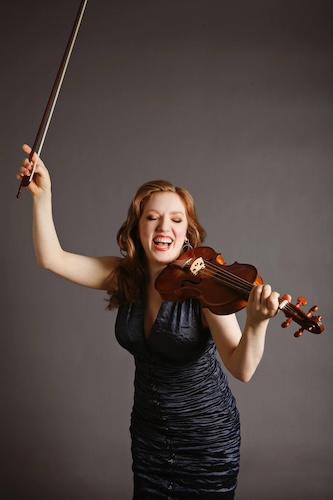
Violinist Rachel Barton Pine. Photo: courtesy of the artist
Rachel Barton Pine in recital
Presented by Isabella Stewart Gardner Museum
September 13, 1:30 p.m.
Calderwood Hall, Boston
Violinist Rachel Barton Pine kicks off the Gardner Museum’s 2026-27 concert series with an all-Brahms recital with pianist Matthew Hagle. She plays an instrument with which the composer was deeply familiar: he selected the very Guarneri del Gesu for his chamber partner, Marie Soldat-Roeger.
Bach & Beer
Presented by Aaron Larget-Caplan
September 13, 2 p.m.
The Lilypad, Cambridge
Guitarist Larget-Caplan offers a program of works by Bach, John Cage, and others (including Karl Henning, Laurie Spiegel, George Papajohn, and himself) that, enticingly, can simultaneously involve beer.
— Jonathan Blumhofer
Roots and World Music

The Texamaniacs will be performing in Norwood this week. Photo: courtesy of the artist
Los Texmaniacs with Willie J. Laws
Sept. 2, 7 p.m.
Fallout Shelter, Norwood
In the past 18 months the Tex-Mex giants (and Texas Tornadoes bandmates) Flaco Jimenez and Augie Meyers both passed away. It’s hard to think of an outfit that carries their torch as widely and successfully as Los Texmaniacs, the San Antonio masters of conjuntos, Texas blues, and brown-eyed R&B. New England blues great Willie J. Laws was their guitarist before he moved up here, so this occasion is very much a reunion.
Rebirth Brass Band
Sept. 2, 6 p.m.
Termeer Square, Cambridge
Global Arts Live is wrapping up a trio of free outdoor concerts adjacent to The Platform, the multi-stage arts complex which will open up later in the fall. On tap for the finale are the enduring titans of New Orleans brass band music, who remain as funky and adventurous as ever four decades after they started.
Rhythm and Roots
Sept 4-6
Ninigret Park, Charlestown, RI
It wouldn’t be Labor Day weekend without this roots-oriented festival in southern Rhode Island, which has endured despite the challenges facing the festival industry and the death of its founder, Chuck Wentworth. The headliners range from the honky-tonk sounds of Marty Stuart and His Fabulous Superlatives to the legends Tower of Power, but the biggest attraction may be the Louisiana-based Cajun and zydeco bands that rarely make it up this way, including the Pine Leaf Boys, Curley Taylor, and Ruben Moreno.
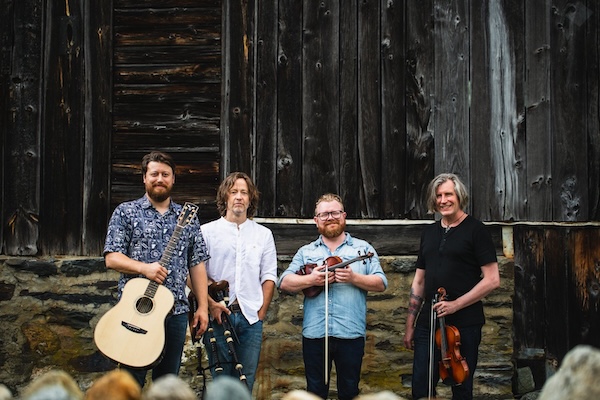
Cantrip comes to the Boston area in early September. Photo: Louise Bichan
Cantrip with Low Lilly
Spire Center, Plymouth, Sept. 5, 8 p.m.
Cantrip
Club Passim, Cambridge, Sept. 9, 8 p.m.
The magnificent traditional Scottish quartet Cantrip have a very busy fall of touring around New England. First up for the versatile foursome of Jon Bews (fiddle, vocals), Alasdair White (fiddle, vocals), Dan Houghton (pipes, whistles, flutes, guitar, bouzouki, vocals), and Bostonian Eric McDonald (guitar, mandolin, bouzouki, vocals) are these dates in Plymouth and Cambridge. The Spire Center show also includes the fine Americana trio Low Lilly.
Dion
Sept. 12, 8 p.m.
Sun Patio, Mohegan Sun Casino
It’s been eons since “The Wonderer” has played his ’50s doo-wop hits and more recent blues-leaning material at a public show in New England. By all accounts, Dion DiMucci’s trademark Bronx-drenched voice is as good as ever. He is one of the last survivors of the early days of rock ‘n roll who is still touring and recording new music.
Embrace Massó ¡Con Salsa!: Ritmo y Sonido Block Party
Sept. 12, 3 p.m.
Summer Street Plaza, Downtown Crossing, Boston
For the third straight year Boston’s most tireless advocate for Latin culture, radio host José Massó III, is hosting an afternoon of music and dance in collaboration with Embrace Boston. Now, as the organization is adding a Downtown Crossing building, the party is also moving. As usual Massó’s influence has lured to town a major headliner: The classic salsa outfit El Gran Combo de Puerto Rico, who for decades have been a top-drawing attraction. The band usually plays for a top ticket price, so this is an especially enticing freebie.
— Noah Schaffer
Author Events
Sam A. Miller at First Parish Church, presented by Harvard Book Store
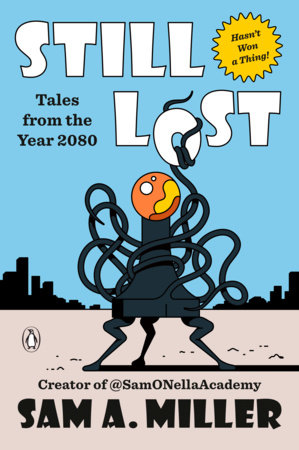
Still Lost: Tales from the Year 2080
August 31 at 7 p.m.
Tickets: $37.74 with book; $16.74 without
“Sam A. Miller, the creator behind Sam O’Nella Academy, has spent ten years teaching his 4.8 million subscribers about the past and the present. Here, he turns toward fiction—and the future…
A hyper-advanced alien race seemingly solves all existential threats—no climate change, no nuclear weapons, no singularity crisis—and yet, in crisis we remain. Because humans are their own existential threat in the not dys- or utopian, but simply ‘topian’ world of this interconnected short story collection: In ‘Four Little Words,’ scientists discover the shocking truth about grass. In ‘Eggs for Roman,’ a baboon with human intelligence gets cyberbullied. And in ‘Beat,’ a young man must save his own life from the music that’s taken it hostage.
Often funny and always profound, Still Lost bends reality just enough for it to become a mirror and takes its readers on a daring and strange ride—an ultra-timely, sardonic collection that feasts on the follies and earnest absurdities of humanity.”
Marlon James at The Brattle Theatre — Harvard Book Store
The Disappearers
September 2 at 6 p.m.
Tickets are $45.09
“In 1988, eight men in Kingston, Jamaica, begin rehearsals for a play. The men are strangers to one another and each has a different reason for being involved. But they all share one inescapable truth: All of them are gay―a “battyman” in Jamaican argot―and all of them must contend with the dangers that such a truth lays bare.
One night a mob savagely attacks them, killing one of the men. For the survivors, their recovery is as much emotional as it is physical. As their bodies heal, each man grapples with the violence, the hatred, and the rage that the attack made plain. Some try to ignore what the attack has unearthed, while others double down on retribution.
In The Disappearers, Marlon James has written a riveting and deeply human story of men forced to make compromises to survive what the society they live in demands. It is both a dramatic page-turner and an unflinching exploration of queer life in Jamaica during the 1980s and 1990s.”
Fall Virtual Warehouse Sale – Harvard Book Store
September 5 from 9 a.m. to 11:45 p.m.
Finished with all your summer reading, and need to refresh your shelves for the fall? Sounds like it’s the perfect time to shop our Fall Virtual Warehouse Sale! From September 4-6, visit HBSWarehousesale.com to shop the newest titles in stock. We’ve got thousands of new books for all ages and readers, including cookbooks, fiction, picture books, art, history, and more. Find viral faves, classic fiction, new nonfiction, New York Review titles, staff recommendations, and more! Our virtual doors open at 9 a.m.
We ship orders across the country, but please allow up to 2-3 weeks processing time for each order. Please be reminded that Frequent Buyer discounts and coupons do not apply to Warehouse Sale purchases.
Our virtual sales include order pick up at our Needham Warehouse or Cambridge locations! While the warehouse is closed for browsing, if you live nearby you can choose to pick up your order from the warehouse or our store in Harvard Square.
Ken Liu at The Brattle Theatre – Harvard Book Store
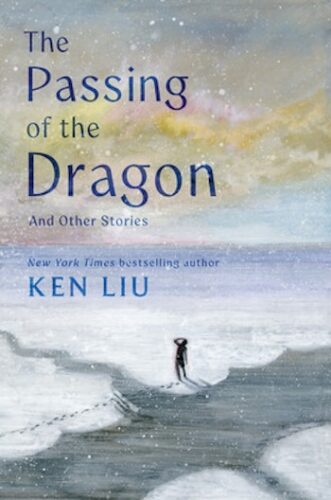
The Passing of the Dragon and Other Stories
September 8 at 6 p.m.
Tickets are $42.99 with book, $13.59 without
“The long-awaited next collection by the master of short stories and author of the award-winning Paper Menagerie and Other Stories.
Thought-provoking, heartbreaking, and wondrous are some of the many ways the thirteen stories in this collection will engage readers. Ken Liu continues to delight and challenge your perceptions as one of the most accomplished and lauded American short story writers of our time.”
Kevin Dettmar with Hugo Burnham – Brookline Booksmith
Punk in 50 Pieces
September 9 at 7 p.m.
Tickets are $35.97 with book pickup at event
“Punk in 50 Pieces retells the story of punk’s cultural earthquake. Kevin Dettmar traces the evolution of this rock ‘n’ roll revolution, revealing how classic early punk (The Ramones, Patti Smith, Iggy Pop) gave birth to both post-punk (Joy Division, Siouxsie and the Banshees, Gang of Four) and New Wave (Talking Heads, Blondie, Devo).
Standing beside classic works such as Please Kill Me, Lipstick Traces, Rip It Up and Start Again, and England’s Dreaming, Punk in 50 Pieces paints a vivid portrait of an era, a sound, and the artists and attitude that made it unforgettable. It’s the perfect introduction for a new generation of rebels without a cause and a master playlist for die-hards who may no longer be slam-dancing in the mosh pit but have never forgotten the music.”
Sean Gasper Bye at Brookline Booksmith
Conversations with an Executioner
September 10 at 7 p.m.
Free
“A remarkable firsthand account of the rise and fall of the Nazis told from the inside of a prison cell. The first complete English translation of the international classic work of World War II literature and investigative journalism.
Warsaw, 1949: freedom fighter and journalist Kazimierz Moczarski is being held in a maximum-security prison, accused of being an enemy of the state by the Polish secret police. A survivor of the Warsaw Uprising, he is horrified to find himself locked up in a cell with the notorious Nazi official responsible for the destruction of the Warsaw Ghetto and the death of over 50,000 people: Jürgen Stroop.
For 255 days, Stroop talks to Moczarski of his life, entirely unrepentant of the crimes for which he would soon be executed himself. Conversations with an Executioner is Moczarski’s firsthand account of these extraordinary exchanges, giving disturbing insight into the mind of one of history’s most brutal war criminals.”
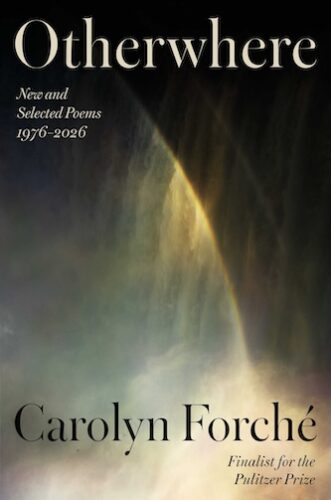
Carolyn Forché in conversation with Tracy K. Smith – Porter Square Books
Otherwhere: New and Selected Poems, 1976–2026
September 11 at 7 p.m.
Free
“Otherwhere gathers the finest poems of Forché’s body of work, selected by the poet herself, and includes a short new collection If there is ink, which lights a signal fire in a state of emergency. In these new poems, Forché sifts through the new ruins of the present, conjuring the early days of an emergency where people “pretend to live / as we have always lived,” and cautioning “There are no secrets to staying completely invisible so they are not included here.”
As Hilton Als writes in The New Yorker, ‘Toni Morrison once observed that there is no such thing as bigger than life: life is big. Forché, in her profoundly ambitious work, aims to capture that bigness, line by line.'”
Kerry Docherty in conversation with Cloe Axelson – Porter Square Books
Selfish
September 14 at 7 p.m.
Free
“With incisive observation, biting humor, and searing honesty, Selfish details Kerry’s twisting, sometimes conflicted journey to self-understanding. It chronicles her efforts to reconcile capitalism with her own heart’s desire, her complicated family dynamics, her struggles with motherhood, and her efforts to rediscover parts of herself buried under other people’s expectations.
Her example invites us to demand to be seen, do what we need to do, and dare to put ourselves first—and shows how doing so can actually be a gift to others. Selfish is both a love letter to the Self, and an unapologetic call to action for women everywhere to meet their own needs.”
— Matt Hanson
Tagged: Bill-Marx, Jon Garelick, Matt Hanson, Noah Schaffer, Peg Aloi, peter-Walsh