
Visual Arts
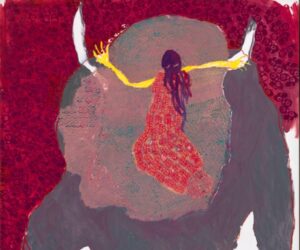
Portia Zvavahera’s seven large paintings, including three new pieces, focus on the umbilical nature of her dreams, in particular those featuring imagery which reaches out across unusually linked cultural, historical and religious touchstones.

Let me be clear where I stand on the Cybertruck controversy. I have never ridden in, driven, or even touched one. But I love the way it looks.
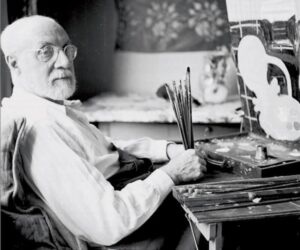
All in all, this is a crisp, entertaining, and, so far as I can see, an accurate account of the last acts in Henri Matisse’s career.
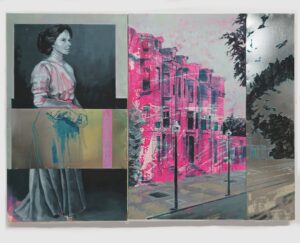
For the artist Andrae Green, where land and sea meet is not a line, but an immersion.

An illuminating book about the 19th-century American artist Francesca Alexander, a Bostonian who shaped a very different life for herself and for her art.

This exhibition takes viewers around the world through the specimens brought to Amsterdam by Dutch explorers. It invites close looking, and the museum has prepared a scavenger hunt handout with select bugs and flowers to seek out.
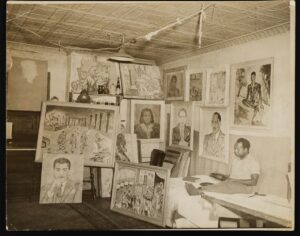
This show demonstrates how Beauford Delaney absorbed lessons from modernism in order to create a unique abstract style that remained committed to representation.
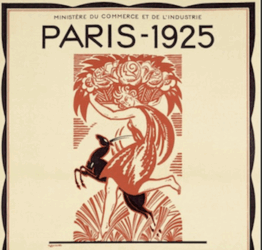
Still fresh and energetic today, the Art Deco period — which influenced the construction or fabrication of buildings as well as luxury décor and functional objects — is considered one of the finest moments in design history.
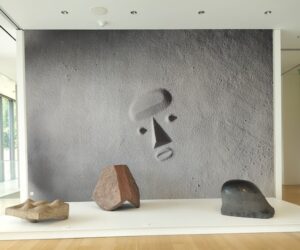
This impressive show of more than 32 works concentrates on what Isamu Noguchi could do with stone, sometimes just leaving it in abstract forms, either raw or polished, often imagining it (and cutting it) into what were meant to be essential shapes.
Visual Arts Commentary: The Boston Public Art Triennial — Recognizing and Celebrating Our Visual Arts Connections
Through the efforts of the Boston Public Art Triennial, the City of Boston’s civic life and built environment have been enhanced and strengthened. Bravo!
Read More about Visual Arts Commentary: The Boston Public Art Triennial — Recognizing and Celebrating Our Visual Arts Connections