
Review

The new “Portrait” package contains five hours of music by Bizet that is mostly unknown to music lovers and music lovers. Plus one of his best operas, a one-act written just before “Carmen”: 1872’s “Djamileh,” which is set in a harem.

This is an auspicious feature debut, a doomsday thriller that touches on resonant topical issues.

In a time when the work of scientists is itself endangered, these two picture books provide detailed and fascinating insights into how science helps us live in the modern world.

In his new album, Terry Kitchen moves effortlessly through lilting songs of happiness and sadness.

The planned variety of sounds and rhythms is the adroit work of a composer dedicated to both freedom and his own version of continuity.
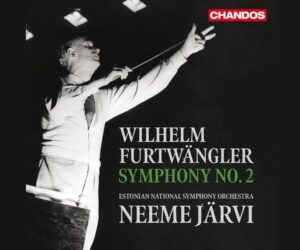
Neeme Järvi, true to his usual form, favors brisk tempos, which tend to keep things from getting bogged down in Wilhelm Furtwängler’s bog of a Symphony No.2; Nicholas Collon leads a stupendous recording of Sibelius’s Symphony No. 5.
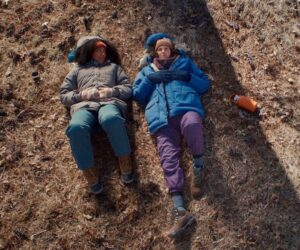
In a film that maintains a deft, tightrope balance of tone, writer-director-star Eva Victor has delivered an acerbically funny depiction of how we learn to cope in a world where bad things can (and often do) happen.

Jon Batiste’s performance resonated with what musician Zachary Richard calls the “holy trinity” of Louisiana music: Cajun, zydeco, and “old-fashioned” rock and roll.
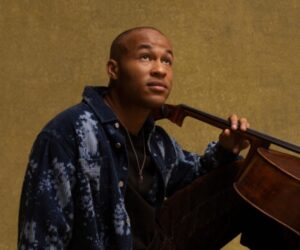
Violinist Lea Birringer does dazzlingly right by Sibelius and Szymanowski concertos and cellist Sheku Kanneh-Mason finds life and defiance in Shostakovich’s Cello Concerto No. 2.
Film Retrospective: “Floating Clouds … The Cinema of Naruse Mikio” — Dedicated to Women’s Passions
Film scholars, programmers, and the many filmmakers influenced by Naruse Miko value him as having crafted well-rounded portraits of women and their lives across decades of Japanese cultural changes.
Read More about Film Retrospective: “Floating Clouds … The Cinema of Naruse Mikio” — Dedicated to Women’s Passions