
Review
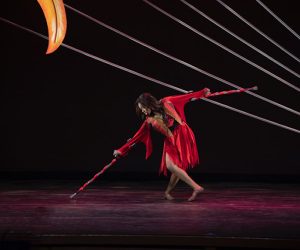
Re-envisioning and performing this beloved classic ballet with dancers that identify as disabled seems to me to be the definition of courageous.

Vivaldi put this opera together using, in part, arias associated with two famous singers: the “Moorish” (i.e., half-African) Vittorio Tesi and the castrato Farinelli.
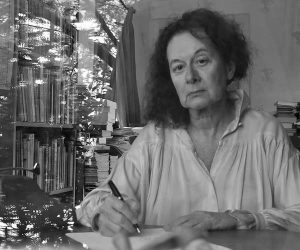
This is a volume filled with complex pleasures and pains, assembled with purpose.

Descriptions of Anna Webber’s music might make it seem intimidating. It is not — her compositions are stirring, amusing, and delightful, particularly in the shell games they play with variety and coherence.
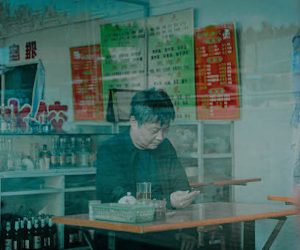
For those with sufficient patience and imagination — and are eager to learn more about the Chinese literary scene than what’s found in journalistic headlines — Jia Zhangke’s documentary will be an uncommon treat.
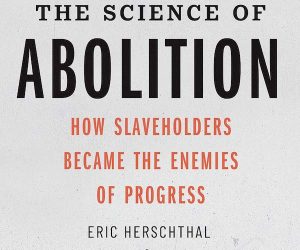
Oh yes, they thought that to treat human beings like livestock was backward and doomed and obsolete and unscientific and fatally inefficient, but if any of them thought it was indefensibly cruel and morally intolerable, they show no awareness by the evidence of this book.
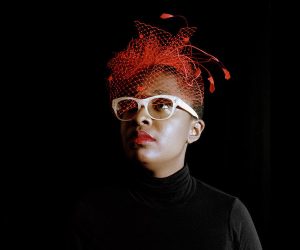
To hear this performance properly. you must do a bit more work than you might do ordinarily . . . but great art deserves such work.
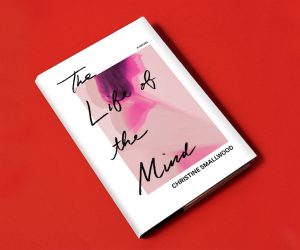
Christine Smallwood’s courage in looking at the way things are — for many of us — makes this novel about the pervasiveness of angst a subtle, empathetic accomplishment.
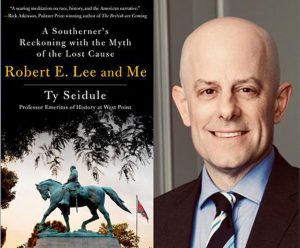
This is a noble effort to reconcile with the Southern past — but are suggested changes in nomenclature — rather than statements of moral and political clarity — good enough?

This disc stands comfortably in the company of Beethoven and Bartók performances by the Emerson, Tákacs, Alban Berg, and Juilliard Quartets.

Recent Comments