
Music

Now 78, Cher has written a compellingly candid chronicle of her early life and showbiz career, up until her move into the movies, which will be told in Part Two.

In this overstuffed show, Sturgill Simpson presented himself as someone who, after too long away from the stage, was back because he was in love with playing for the sake of playing.
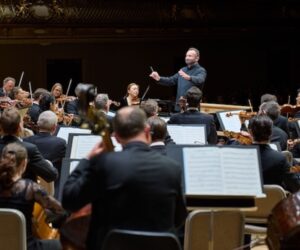
The whole effort culminated in the finest orchestral performance these ears have heard in Boston since, well, the last time the Berliner Philharmoniker was here.

A trio of varied, high quality jazz releases: “Entre Amigos”, “Strange Times”, and “Three Visitors”.

The Belvedere Series is a chamber music group whose mission of bringing the art form to new audiences is matched by an admirable desire to expand and redefine just what the canon is. Even better: that ambition is backed up by top-flight programming, playing, and musicianship.
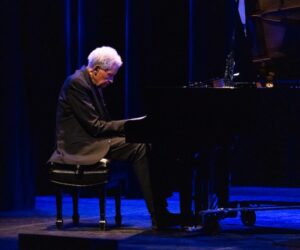
Most in the Berklee audience seemed satisfied with the chance to be in South African pianist Abdullah Ibrahim’s presence, subdued perhaps, but still casting a magisterial aura.

“Every record makes the setlist better because we get to keep the things that have really been killin’ and then do things that make you push yourself because these are songs that you haven’t played in several years.”

The only serious flaw in Boston Lyric Opera’s stripped-down staging approach to Aida was that not all the participants were quite up to the organization’s usual standards.

Now, at least through mid-December, bassist Tony Levin – also a prolific photographer and blogger on tour — remains happy recasting King Crimson dreams each night with Beat

Concert Review: Horizon Ensemble Ushers in a Festive Autumn
There wasn’t much autumnal despondency in this Horizon Ensemble program; it was dedicated to the upside of the season, an invitation to enjoy all its warmth, friendship, and festivity.
Read More about Concert Review: Horizon Ensemble Ushers in a Festive Autumn