
Film

At the Tribeca Film Festival, two dramas stood out among the narrative films—stark, street-level tales of addiction and a wintry queer love story turned murder mystery set on a Canadian ship.
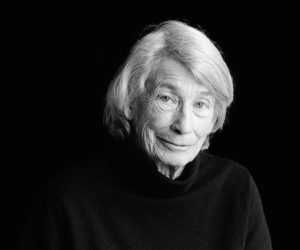
This documentary about poet Mary Oliver is a moving study of solitude, partnership, and the stubborn power of wonder.

The Tribeca Film Festival is usually best represented by its outliers. This year, a few films earned that status.

Carla Simón’s dreamlike family drama merges mother and daughter, past and present, in a moving search for identity.

A ragged farewell that mixes new stunts with archival scraps as Johnny Knoxville and his merry band of masochists age out of self-destruction.

This ambitious adaptation finds its power in images, not in the novelist’s dense and elusive language.

The power of Ukrainian director Sergei Loznitsa’s film stems from its deep repugnance at an acceptance of the aesthetic and moral poverty of dictatorship.

From Anne Packard’s irresistible presence to a polarizing slasher homage and a breakout no-budget film, this year’s roundup offered plenty of satisfactions and some surprises.

“Strange Journey” traces the origins of one of cinema’s most unlikely cults. “Time Warp” shows why it still matters.

At this year’s festival, films by Greg Araki and others explore erotic power, artistic identity, and spiritual unease—alongside a quietly inspiring portrait of painter Anne Packard.
Recent Comments