
Books

Unable to place Cavafy in a holistic context, momentum is never sustained. Key points remain scattered, unintegrated.

This is a well-crafted story about the gulf between well-off Americans who can safely ignore power politics in their daily lives (and how many of us are doing just that!) and those at the edge of being oppressed or crushed by them.

Three new books from Candlewick Press highlight the everyday lives of toddlers and their loved ones.

To be silent in the face of cruelty is to be complicit. And I refuse to be complicit. Surely we have to recognize that there are differences in taste. But to skewer another writer with such precision and glee? That is beyond the pale, especially in these perilous times.

Quibbles aside, this book’s profusion of illustrations is a windfall for artists, art students, and those keen on close looking and visual culture.
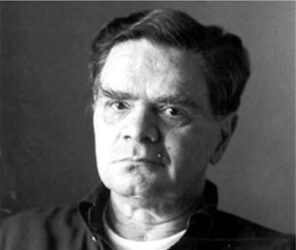
As befits a prolific and distinguished poet, renowned for his visionary instincts and signature compositional technique, Nathan Kernan has produced an account of James Schuyler that is as morally serious as his subject.

This splendid book is a love letter and a dissertation, almost a song in itself.
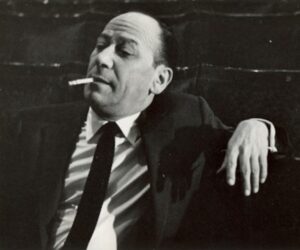
The letters of this protean figure in American musical theater induced in this reader a pleasurable mixture of nostalgia, voyeurism, and insight.
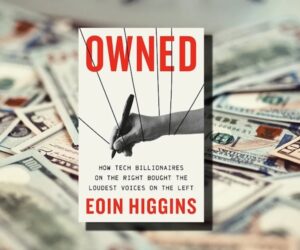
Eoin Higgins’s “Owned” is a provocative take on our shifting politics and the instrumental role the media plays in how the superrich maintain power.
Arts Remembrance: Fanny Howe — A Poet for the Spiritually Audacious
Fanny Howe’s writing pursued, as she put it, “bewilderment as a poetics and a politics.”
Read More about Arts Remembrance: Fanny Howe — A Poet for the Spiritually Audacious