
Books
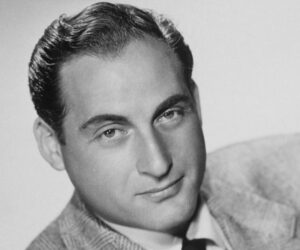
The book argues, convincingly, that Sid Caesar’s genius wasn’t in what he did or said so much as in the anarchistic energy he encouraged his writers to unleash and harness.
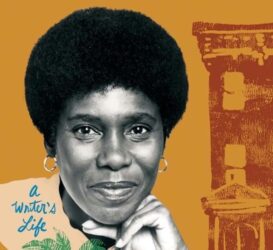
Mary Helen Washington’s biography of Paule Marshall provides a thorough consideration of the writer’s achievement and a convincing case that her fiction and her public speeches deserve continuing attention and respect.
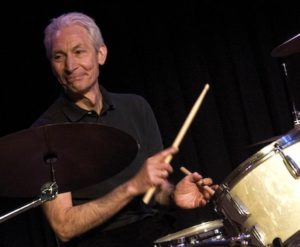
Backbeats is a detailed and informative story. Each profile functions as an entry point into a selective but substantial survey of roughly seventy-five years of rock history.
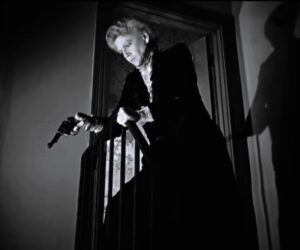
Kathleen Spaltro’s biography of Ethel Barrymore briskly traces her mythic career but brings to life neither the woman nor her theatre.
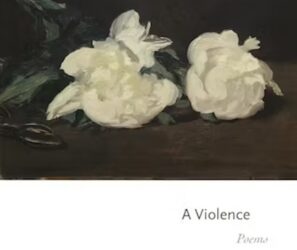
You can almost hear the volume whispering in your ear, “Be like lichen.” Traumatic grief, political tyranny, and environmental catastrophe are not irreversible.

The point of a novel like this: Life is messy, but glorious. Kind of like “The Hadacol Boogie”.

Yun Ko-eun’s novel is a good, entertaining read that proceeds by a kind of literary Zeno’s Paradox: forever on the verge of some Big Revelation or vague Deeper Meaning without ever actually reaching them.

Another informative, if unsurprising, contribution to the literature dedicated to understanding “criminal behavior,” especially among teenage boys and young men.

My Mother’s Silver Fox “is a welcome addition to literature about the repercussions of the Second World War, especially its dark side — the cruelty and chilling efficiency of the SS program called Lebensborn and its aftermath.”

Some might complain that the essays have not aged well since they deal with thinkers who are no longer fashionable or who wrote at a time very different from our own. But it’s the contrast between their time and ours that makes them interesting as well as problematic.
Recent Comments