
Debra Cash
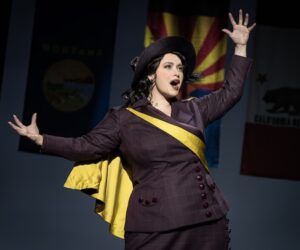
“Suffs” bounces through a timeline of conferences, direct actions, interpersonal snits, and self-questioning over whether the entire endeavor is really worth it.

With autobiographical wryness on the menu, Sara Juli and Alexander David is a match made in performance art heaven.
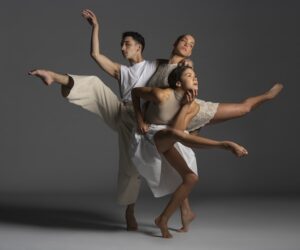
The Gibney Company has brought a three-work evening to town that any chamber-sized contemporary dance company in the world would admire.
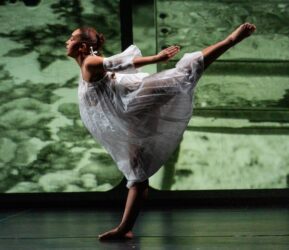
The question was how well these mid-20th century works would hold up and how, with the passing of time, those dances would look to both familiar and fresh eyes.

As this duet unfolds, it opens the way to musings about how a bed is a human-sized rectangle on which are projected dreams and nightmares, sexuality and erotic boundaries.
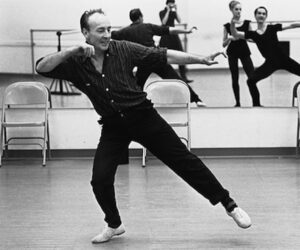
“Balanchine Finds His America” is written primarily in the present tense, so that reading the book is like watching a never-to-be-repeated dance performance.

In “Myokine”, the ensemble itself is under interrogation: can these dancers connect enough to rescue each other? Can they form bonds of solidarity?

The elements of “Urban Nutcracker” have remained the same over the decades: a mix of classical, street, and global dance genres, buoyed by a medley featuring Tchaikovsky and Duke Ellington’s take on Tchaikovsky’s classic score.
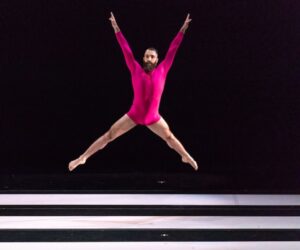
“I love to dance. I love music. My life is in the flow” — Seán Curran
Arts Commentary: Rich in Creativity — But Nothing Else
Predictably, when you get to the discussion of money, honey, the rubber hits the road.
Read More about Arts Commentary: Rich in Creativity — But Nothing Else