
World War I
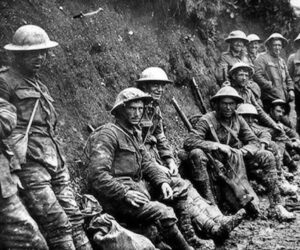
In tracing the tortuous path that established historians took in trying to get to the bottom of the war, Perry Anderson doesn’t acknowledge leftwing observers who knew perfectly well what was going on at the time.
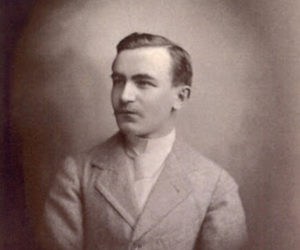
This is a grim and uncomfortable book to read because it forces us to contemplate each small poem separately and then take them all together, a hard but necessary exercise.
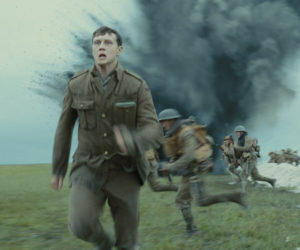
George MacKay’s astonishing turn lifts 1917 from pyrotechnical marvel to a shattering emotional experience.
Frantz explores the complicated emotions generated by the aftermath of a catastrophic war.
I wanted to like Sunset Song, steeped as it is in Scottish history and scenery.
The Bloody Hand stands alongside other autobiographical classics devoted to the First World War.
Actor Russell Crowe’s directorial debut is visually gripping and very well acted — but its ending is disappointingly hokey.
Editor Jon Stallworthy’s preference in this superb anthology is for poems that question, or provoke questions about, war.
In his exploration of history, Jack Beatty suggests that World War I, as we know it, was an improbable event.
“To End All Wars” embodies its themes –- the decline of the aristocracy, the rise of propaganda, the transformation of war-making, the heroism of resistance –- so skillfully in a dozen or so major characters and another dozen minor ones that this history of the First World War reads like a lively group biography.
Recent Comments