
translation

In this rich collection of essays and introductions, translator and writer Peter Wortsman considers language as an intimate, imperfect act of resurrection—and guides readers toward a varied company of German- and French-language authors.
One of translation’s greatest powers — its ability to take a text out of one historical period, literary tradition, language, and set of conventions and transplant it into another — is a delicate procedure.

“Unterstadt” is valuable, and not only because it memorably excavates a repressed episode in Croatian history. The novel also has considerable relevance, given the savagery besieging the innocent in today’s conflagrations.

A translator must meet a compelling need — to reinvent Franz Kafka’s voice in an English that resounds in the present moment.

The cumulative effect over the course of Jhumpa Lahiri’s book sharpens our view of what the imperfect art of translation can, in fact, do.
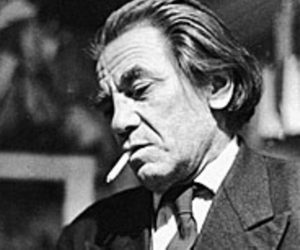
Ludwig Hohl belongs in the line of such lucidly contentious thinkers as Karl Kraus, Pascal, and Lichtenberg, commentators whose writing oscillates between the traditions of literature and philosophy.
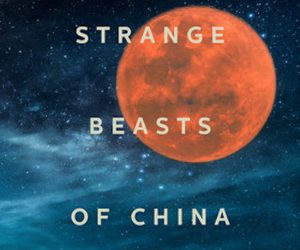
The volume’s spirited imagination is strong enough to compensate for flaws in its translation.

There is enough candor and humor, along with a handful of bracingly moody characters, to make Mariana Leky’s vision of perpetual love compelling.
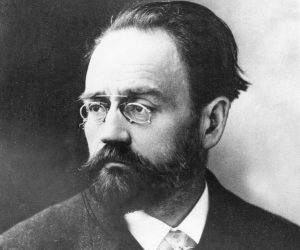
“Why read Zola now? Leaving aside sheer enjoyment of his narrative art, I’d say: because his representation of society’s impact on the individuals within it memorably depicts what it means to be a human being in the modern world.”

A supple, evocative novel that meditates on family and loss and art.

Recent Comments