
book-reviews
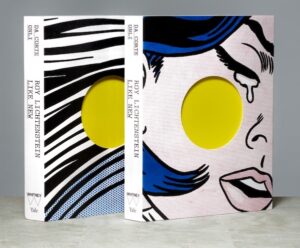
Irma Boom’s inventive design makes the Whitney’s Lichtenstein catalogue a visual adventure, even as its essays offer too little to engage general readers.

In “Capitalism & Confinement,” A.J. Bohrer argues that liberation requires more than reform—it demands a radical rethinking of work, borders, policing, and even the family.

Kevin Gallagher’s volume bridges Tang Dynasty China and contemporary Boston, finding in poetry, friendship, and wine a humane response to a world in turmoil.
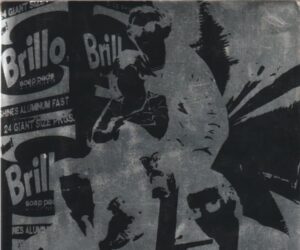
Phaidon’s meticulous facsimile revives the playful chaos of Warhol’s 1967 experiment in publishing, though new additions intrude on the original’s aesthetic.
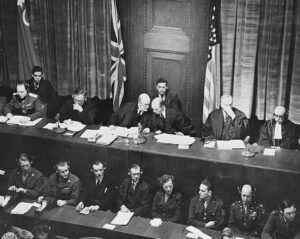
In “The Pope Against Nuremberg,: historian Gerald J. Steinacher examines how Catholic Church officials shielded war criminals—and placed institutional interests above moral accountability.

By David Mehegan This minimal memoir reminds me of a backyard clothesline, festooned with socks, shirts, pants, dishtowels, suspenders, underwear, bras, new things and old, all in various colors and shapes, flapping briskly in the wind. The Chessboard by Jean-Philippe Toussaint. Translated from the French by Ruth Diver. Other Press. 191 pp. Paper. $16.99. Jean-Philippe…

Sprawling, sexually frank, and often harrowing, “The Disappearers” turns the enforced secrecy of gay life in Jamaica into richly layered fiction.
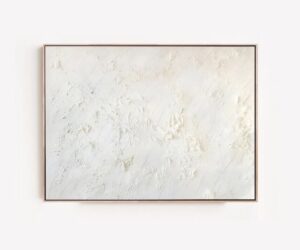
In “A Dead White,” Wendy S. Walters blends memoir and cultural history to question the ubiquity—and presumed innocence—of white paint.
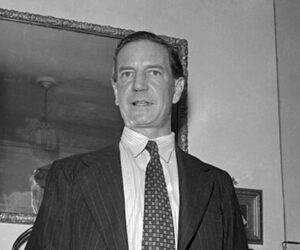
In “Stalin’s Apostles,” Antonia Senior dismantles the mythology of the gentleman spy, exposing the murderous loyalties behind the old school tie.
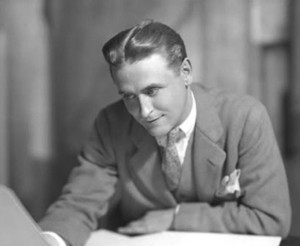
An appreciation of F. Scott Fitzgerald’s most personal novel, in which a marriage’s collapse becomes a searching exploration of love, ambition, and the courage to begin again.

Recent Comments