
Visual Arts

Quibbles aside, this book’s profusion of illustrations is a windfall for artists, art students, and those keen on close looking and visual culture.
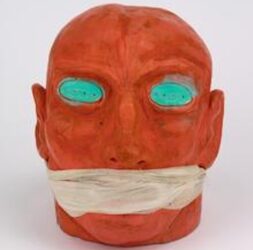
The artist’s focus on brutality is present in the show, but the anger and homoeroticism that infused so much of his work are missing.
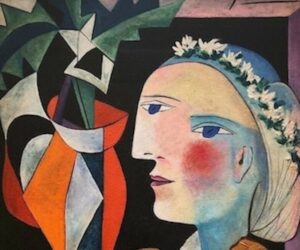
Two art exhibitions in New York should be seen multiple times. Each will deepen your appreciation of a great artist. Neither is mobbed with visitors. Each, in this wildly overpriced city, is absolutely free.
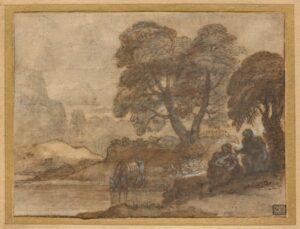
Surprisingly, the 17th- and 18th-century drawings and prints in “Pastoral on Paper” proffer bold experiments in charcoal, chalk, and gouache.
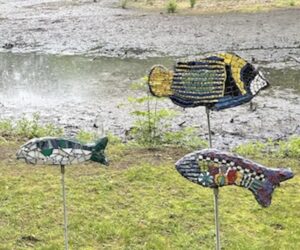
Viewing the art while strolling along the Muddy River gives city-dwellers and visitors a reason to linger and enjoy one of the city’s oldest and most beautiful open spaces.
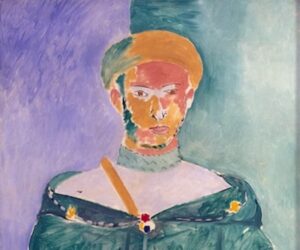
“Matisse in Morocco” is a 35-year labor of love, as meticulously researched as a Ph.D. thesis but without the turgid language, as charmingly composed as the travelogues of Goethe, and with characters worthy of Balzac.

“The MFA is a place that really matters to a lot of people, and it is the safety of this place that matters and its commitment to excellence. These are things that must never be compromised.”
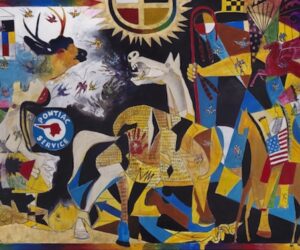
This exhibition is evidence of the venerable museum’s interest in expanding its collections so that more voices and perspectives can contribute to our understanding of our own complicated history.
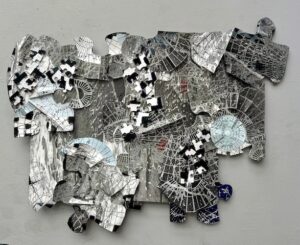
Phyllis Ewen ponders humanity’s perilous relationship with the earth, expressing her concerns through her artwork.
Arts Remembrance: The Special Legacies of Three Prominent Architects
Though not necessarily for of their buildings, these three prominent architects leave legacies that will be cherished and remembered.
Read More about Arts Remembrance: The Special Legacies of Three Prominent Architects