
Theater

The late Terrence McNally was more than just a masterful playwright. He also forged new roads in musical theater.

This was an enormously exciting production of Merchant of Venice, a reminder that theater can be (in fact, must be!) nervy.

Dominique Morisseau’s earnest Pipeline is a “message” play, American style.
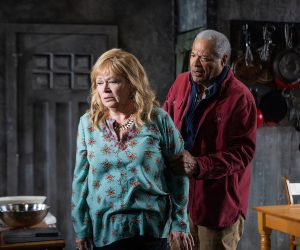
An apocalyptic backdrop gives the play urgency, especially given the current worldwide struggle to contain the Corvid-19 virus, which has already claimed thousands of lives.

There’s much to admire and appreciate about this MRT production; but the play’s lack of a solid dramatic spine is a crippling problem.

Given Dickens’ penny-a-word driven verbosity and his fondness for resolving every plot point with a flurry of coincidences, adapter McEleney seems undecided: is this history play a tragedy or a farce?
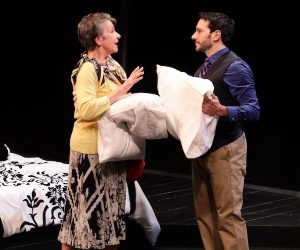
Cheryl McMahon is quietly spectacular as Ida, who tries desperately to conceal her cognitive decline behind a wall of egocentric cheerfulness that borders on the frantic.

The stories in Citrus exhibit a powerful commonality: these portraits of th3e experiences of black women suggest that, over time, everything and nothing has changed.

As my second wave feminist companion said as we left the theater, “That was hilarious. And I am SO ANGRY.”
Arts Commentary: Pestilence on Stage, Part One — Karel Čapek’s”The White Plague”
The White Plague uses dread to shock us into empathy for ourselves, to be alarmed by the fragility of our bodies as well as the resources and ethics of the medical system.
Read More about Arts Commentary: Pestilence on Stage, Part One — Karel Čapek’s”The White Plague”