
Film
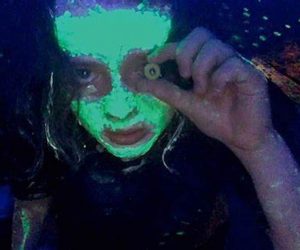
You’re never quite sure what you’re watching but you can feel yourself going down the creepypasta rabbit-hole with protagonist Casey nonetheless.
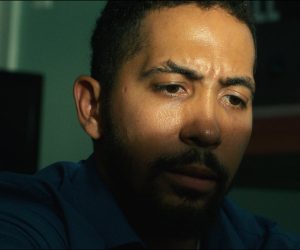
There’s a powerful sense of place built into Last Night in Rozzie: the direction and acting evoke the feeling that inevitably comes when we return to our childhood neighborhood.
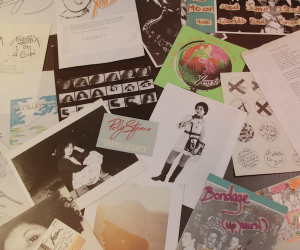
The documentary strikes a remarkably rich vein, covering not only music, fashion and a late-1970s social critique, but also matters of race, class, gender, mental health and spirituality.

A Reckoning in Boston demonstrates that fifty years after the bussing-era failures to improve the lives of Black people, there is, in James Rutenbeck’s telling words, “No justice, no truth, no reconciliation.”
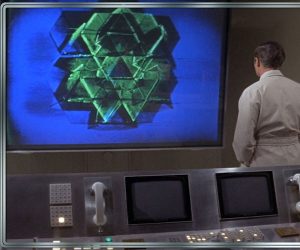
The Andromeda Strain’s anti-intellectualism is rooted in Cold War paranoia: a distrust of science, of academia, and of the press.
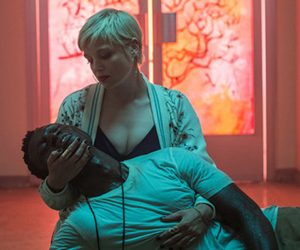
This new adaptation is sure to spark criticism from Döblin and Fassbinder loyalists, as well as those who might feel the film is not politically progressive enough. Nonetheless, it strikes the right chords: balancing between textual fidelity and contemporary relevance.
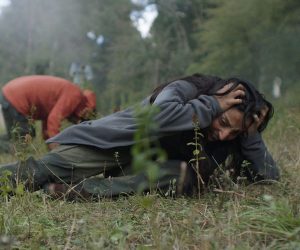
Director Ben Wheatley has a knack for creating characters whose anti-social behavior is shocking.
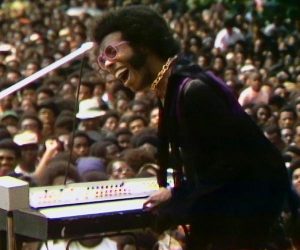
The documentary slate at this year’s Independent Film Festival Boston’s all-virtual spring festival puts non-fiction film front and center.
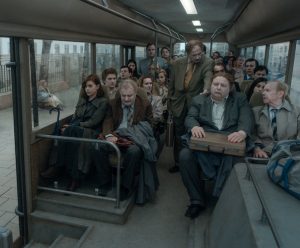
About Endlessness’s deadpan combination of sadness and rage feels complete, as if the master dropped the mic before leaving the building after the final edit.
Film Commentary: “Minari” — An Immigrant Tale with a Southern Accent
Minari is about the triumph of folkways, both Ozark and Korean.
Read More about Film Commentary: “Minari” — An Immigrant Tale with a Southern Accent