
Featured
There’s no place like home at two local film festivals.
In Turkey, liberal filmmakers must find ways to address system wide abuses without offending the censors: the opening and closing films at this week’s Turkish Film Festival make good use of that strategy.

So yeah, mortality was a heavy theme in Bruce Springsteen’s passion play – or what he could still impressively summon at 73 after rocking oft-mythical local shows for five decades.
This collector is happy to have Luis Russell: At the Swing Cats Ball with all its faults.
What emerged was a lithe, almost Shakespearean rendition, complete with moments of unexpected humor and an infectious dramatic vitality.
Potentially Dangerous is a documentary about an era during World War II when Italians living in the United States were persecuted and, in some cases interned, as “enemy aliens” because the US was at war with Italy.
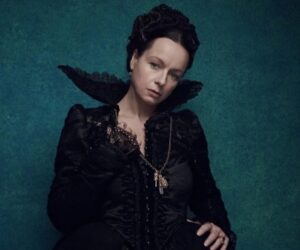
A bit of spring cleaning this time around, with recommendations of some fairly recent viewing choices you may have missed.
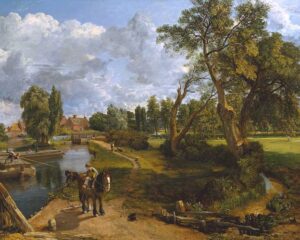
James Hamilton’s biography of British landscape painter John Constable is a highly accomplished, beautifully composed, revealing, and richly entertaining work of scholarship.

Festival of American Song Records has released an elegant, touching performance of the totally delightful half-hour long “Picnic Cantata.”
Arts Commentary/Interview: Some Thoughts on The Climate Crisis and Theater
How can we create theater that practices critique and empathy in relation to climate change that simultaneously challenges and lifts us, provokes and provides a muscular hope?
Read More about Arts Commentary/Interview: Some Thoughts on The Climate Crisis and Theater