
Commentary
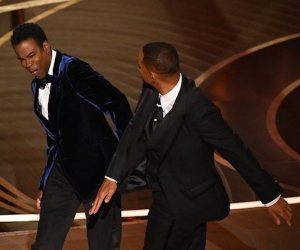
Aside from the multiple awards Dune won for technological brilliance, the 94th Academy Awards was a very different sort of “Hooray for Hollywood.”
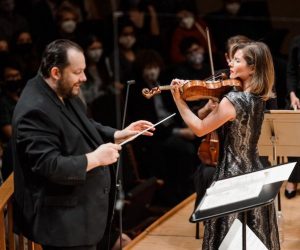
Sibelius’s Violin Concerto is almost something of a phenomenon now: in just eight months, I’ve heard it played by three different fiddlers — Baiba Skride, Lisa Batiashvili, and Inmo Yang.

In dealing with the turmoil of ‘real’ life, the art of illusion found in cinemas, theaters, and museums will help us regain a sense of who we are as communal beings.
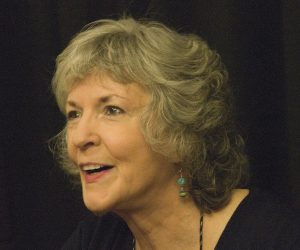
The conveniently tidy endings do turn killing into an entertainment. They also allow us to briefly believe in redemption. And that is not the vainest of hopes.
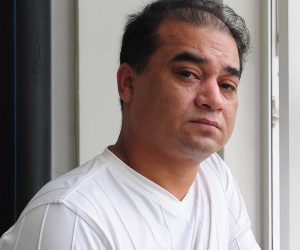
What do the words of an imprisoned Uyghur dissident tell us about the desperate plight of China’s ethnic minorities today?
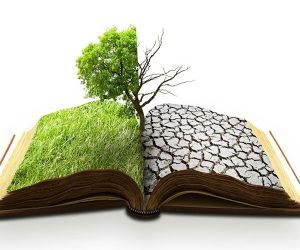
Martin Puchner is stumped because what is called for is a genuinely radical rethink about what role literature and literary studies should play in avoiding the global meltdown to come.
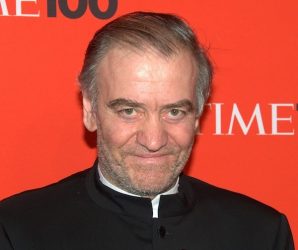
There are times – and we’ve been living in these for several years now – when boldness is required, especially from artists.
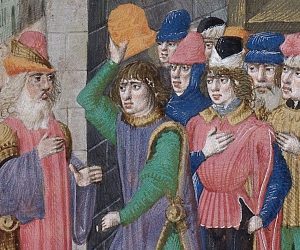
This most timely new translation of Sallust’s The War Against Catiline describes the ancient version of a phenomenon we will recognize instantly: a cold-blooded grift transmuted into terrorism posing as patriotism.
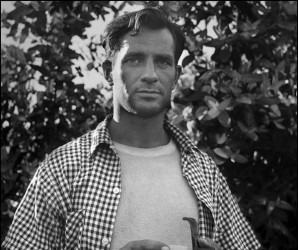
Jack Kerouac would have turned 100 on March 17. A 2014 conversation about the writer with his literary executor, the late John Sampas.
Arts Commentary: The Oscars 2022 — No Longer So White, But Still Not So Hot
It was soon clear what Oscar was after: two separate younger demographics — one with plebeian cinematic tastes, the other with hip politics.
Read More about Arts Commentary: The Oscars 2022 — No Longer So White, But Still Not So Hot