
Commentary
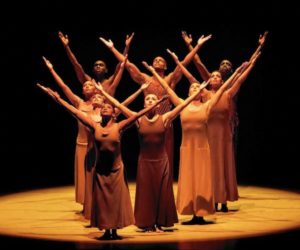
The Ailey dancers’ demands around salaries and the length of their contracts reflect the resurgent strength of organized labor in the cultural sector.
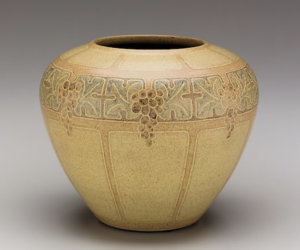
Believe it or not, Boston — the home of stick in the mud, architectural and decorative conservatism — was the initial epicenter of the Arts and Crafts Movement in America.

Maybe I am an alarmist and the rich and powerful know something the rest of us don’t. Perhaps the midterms will not put another nail in the coffin of democracy. Apparently, it will be business as usual for the A.R.T. and other American theaters — until it can’t be.
Please help us bring the arts and culture community roaring back to life by supporting this magazine and its independent coverage.

The most popular game/platform in the world shows us how some of the darkest chapters of labor history can easily repeat themselves in virtual reality.

For the foreseeable, capitalist American future, full and equitable access to live, professional performing arts will depend on subsidy.
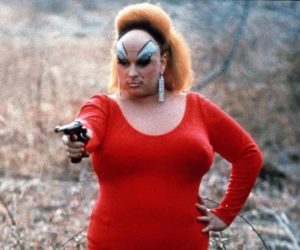
A terrifically significant, and eccentric, trio of films are turning 50 this year: Marjoe, Pink Flamingos, and Silent Running.

What will guarantee obsolescence? If members of the BTCA continue to embrace a “whatever is, is right” attitude to Boston’s stage scene.
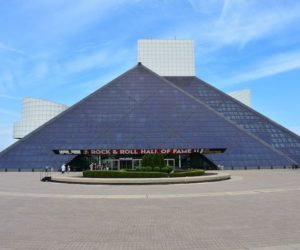
Both the Gershwin Prize and the Rock and Roll Hall of Fame exist to glorify popular song. Both, in fairly short order, relaxed their initial high artistic standards.
Theater Commentary: What’s a Fringe Theater in Boston to Do Today?
My point is obvious: real estate is key to the survival of the small theater scene.
Read More about Theater Commentary: What’s a Fringe Theater in Boston to Do Today?