
Books

“Drums & Demons” is at times frustratingly unclear on dates, but its research is comprehensive about the brilliant career and disasterous end of drummer Jim Gordon.

For a light-hearted take on some serious issues, “Waiting for Al Gore” delivers.
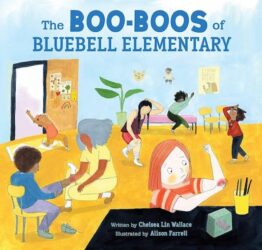
Have a laugh as you read these charmingly funny picture books with your child.

New cinematic mavericks have come along. All the more reason that the views of earlier rebels be collected and preserved, given the short historical memories of young filmmakers and their audiences.

Over the years, Lee Gutkind has been one of the most persistent and impassioned voices making the case for the value of creative nonfiction.
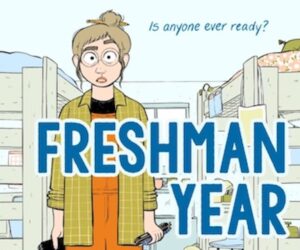
“Freshman Year” is marketed as YA, but those of us who recently went through our freshman year will appreciate this graphic novel the most.

Jennifer Bartlett’s fine biography is a capstone to a steady solidification of respect for this innovative poet’s art and legacy.

The essays in this book are a critical read for folks who might be fighting prison expansion or construction in their neighborhoods.

This brilliant novel is not only out to subvert narrative expectations, but to undercut the act of reading itself.

If this is a fable, is there a moral?

Recent Comments