
Steve Erickson
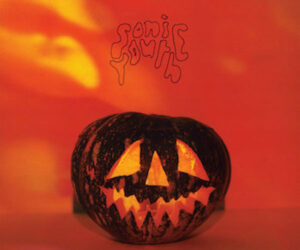
Sonic Youth’s fans remain passionate enough to justify the release of a slew of live albums.

“Black Caesars and Foxy Cleopatras” celebrates Blaxploitation as a positive as well as a necessary turning point in American cinema.

It may not be one of ambient music’s masterworks, but this 2007 album deserved far better treatment than utter neglect from Lou Reed fans.

“Concrete Utopia” echoes “Parasite”’s sharp critique of class exploitation, but it applies a faster pace and more restless energy to its vision of economic meltdown.

The cultural critic’s wrestling with the compromises that the pleasures of mass culture inevitably demand is heartfelt. In a word, it’s normal.

The unpleasantness of the film’s first sex scene turns out to be a foreshadowing of a refreshingly curdled vision of insecurity in the 21st century.

“The Mother and the Whore” is a film about failure: its characters are pushed towards misery not only by their own flaws, but by the failure of the ‘60s to deliver a promised revolution.

“Bad Things” tries out a lot of ideas, many of them good, but a crisis in identity results in slapdash execution.

Despite its depressing worldview, “Werckmeister Harmonies” is an exhilarating work of art, full of moments of grace, beauty, and even humor.

It’s easy to mythologize “The Days of Wine and Roses” because this album documents a band whose lineup splintered almost immediately.
Recent Comments