
Aaron Keebaugh
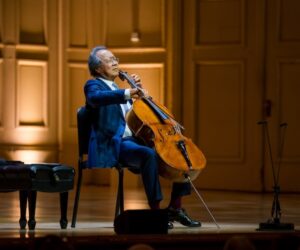
With youthful vigor, Yo-Yo Ma performed the complete Bach Cello Suites, intermixing the music with stories of personal success, wishes for future generations, and gratitude for all those who make the Commonwealth function.
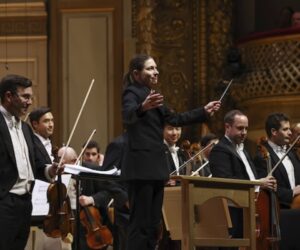
The destruction and displacement of people today so recall the past that Thomas de Hartmann’s music resounds with fierce, resonant force.
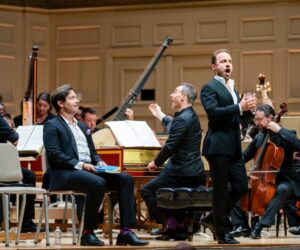
“Saul “may be an oratorio, but it’s about as operatic as one can get.
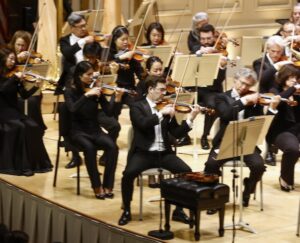
The Latvian conductor can sometimes overindulge in pieces that demand shifts in emotional direction on a dime, so the frenzied eclecticism of Mahler’s Fourth feels tailor-made for him.
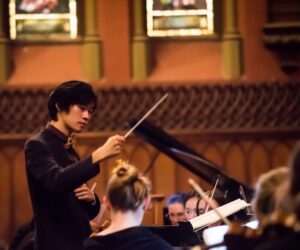
Happily, the admirable Horizon Ensemble is championing Germaine Tailleferre’s mesmerizing piano concerto.
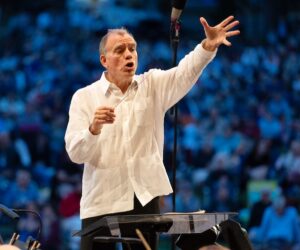
The Boston Landmarks Orchestra offered a rousing valediction for a summer season drawing to a close.
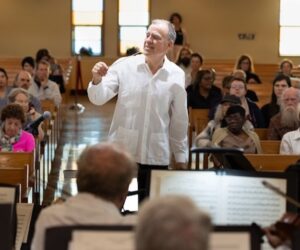
By Aaron Keebaugh The point was made: this was not merely a revolt, but a revolution in sound. “It is a big revolt,” King Louis XVI exclaimed after the fall of the Bastille in 1789. “No Sir,” answered François de la Rochefoucauld, “a big revolution.” The events that followed shook France to its very foundations…
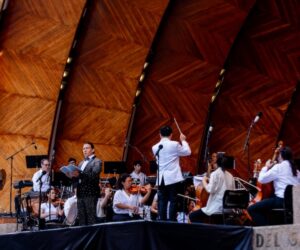
The Mercury Orchestra explored nostalgia, via performances of rare Finzi and familiar Respighi compositions.
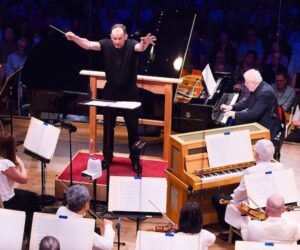
John Williams’s concert music may be intended to enrich and edify, but there’s always room for a little fandom, particularly on occasions like this. At 93, and after a lifetime of firsts, the composer deserves every accolade.
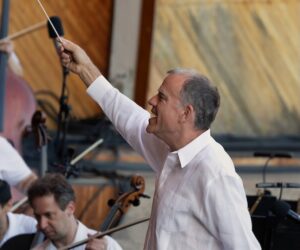
Music by Amy Beach, Leonard Bernstein, Florence Price, John Harbison, and John Williams: this Boston Landmarks Orchestra concert had a little something for everyone.
Recent Comments