
Visual Arts

What gives with the overbearing presence of cuteness throughout the world of contemporary visual art?
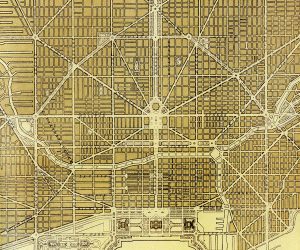
By so memorably reestablishing the fundamentals of urban design and planning, The Art of Classic Planning will be a strategic addition to any architecture or urban planning library.
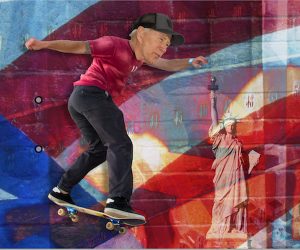
Andrew Child pictures the candidates riding a skateboard, each in a slightly different pose and dressed in slightly different cool gear.
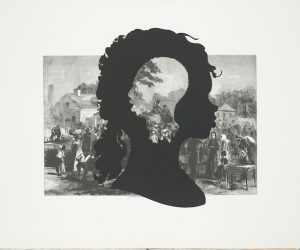
How, as an African-American visual artist, do you represent something that no one wants to think about, much less look at? Kara Walker’s solution is ultimately an aesthetic one.
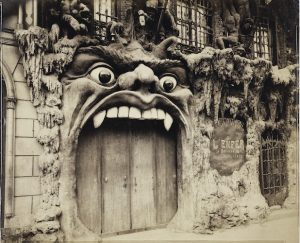
The Ruskinian mantra of “truth to nature” was eventually upended by the development of digital imagery and the agile manipulations of Photoshop.

It seems quite fitting for an artist of light to leave a gallery show filled with his distinctive multimedia light art. Memories of John Powell, like his art, will continue to glow, brightly.

I recommend this show for Lucian Freud’s highly polished craftsmanship, but his wry game of psychological hide-and-seek is not all that satisfying.

By digging deep into Thomas McKeller, the Gardner Museum has not only resurrected a lost figure (and lost music, and “lost” art) but revealed and contributed to an ongoing history.

Visual Arts Feature: A Walk in the City — Seeing Architectural Details and History in a Time of Covid-19
Ironically, sheltering at home reminds us that walking through some neighborhoods in Boston is an aesthetically enriching experience.
Read More about Visual Arts Feature: A Walk in the City — Seeing Architectural Details and History in a Time of Covid-19