
Books
This staunchly eclectic collection is also fiercely focused, unified by the fact that regardless of the subject, the poet never blinks, never looks away, never hesitates to name the pain.

Maintaining liberty in the face of totalitarian fantasy calls for vigilance. Ernst Jünger’s cautionary tale may be more resonant now than when it was first published.

Sam Lipsyte’s latest novel does a bang-up job of capturing the edgy and zany milieu of the early ’90s.

Two books for children that address the climate crisis.

Some readers may be surprised to learn that a high percentage of the men and women who spend time in solitary confinement have been diagnosed with severe mental illness.
An eclectic round-up of the favorite books of the year from our critics.
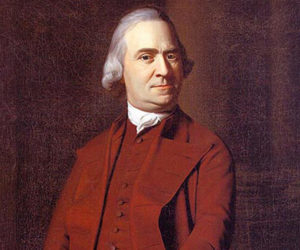
Samuel Adams, a superb political organizer who helped turn the Boston Massacre into a cause célèbre, was more conservative than modern admirers, including biographer Stacy Schiff, want to admit.

Poet and professor Jed Rasula makes the case for The Waste Land‘s lasting revolutionary impact in his engaging and insightful, if occasionally discursive, study.

It’s hard to imagine anyone producing a more complete and authoritative biography of baritone sax player Pepper Adams.
Book Review: A Beautiful Brick in the Wall — Asian Americans and Whites in Pursuit of the American Dream in Suburban Schools
This is an indispensable study for anyone — including scholars, policy makers, and educators — who yearns to better understand how race and culture play out in a rarefied suburban milieu.
Read More about Book Review: A Beautiful Brick in the Wall — Asian Americans and Whites in Pursuit of the American Dream in Suburban Schools