
Books

The point of a novel like this: Life is messy, but glorious. Kind of like “The Hadacol Boogie”.

Yun Ko-eun’s novel is a good, entertaining read that proceeds by a kind of literary Zeno’s Paradox: forever on the verge of some Big Revelation or vague Deeper Meaning without ever actually reaching them.

Another informative, if unsurprising, contribution to the literature dedicated to understanding “criminal behavior,” especially among teenage boys and young men.

My Mother’s Silver Fox “is a welcome addition to literature about the repercussions of the Second World War, especially its dark side — the cruelty and chilling efficiency of the SS program called Lebensborn and its aftermath.”

Some might complain that the essays have not aged well since they deal with thinkers who are no longer fashionable or who wrote at a time very different from our own. But it’s the contrast between their time and ours that makes them interesting as well as problematic.
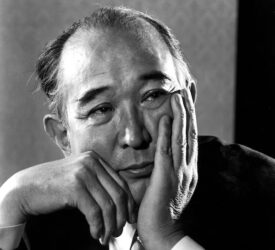
“Long Take” is a somewhat dry read; there are some great passages, but too many rambling, unfocused sections for it to be a satisfactory sequel to the Japanese director’s 1983 memoir.

House of Day, House of Night “is not an easy read, but for those with the stamina, it is a rewarding one, inviting us to savor its reclusive, succulent insides.”

In this collection, Vincent Czyz’s imagination covers extensive geographic and historical territory, creating maps whose borders are drawn with the vigor of a nuanced moral temperament.
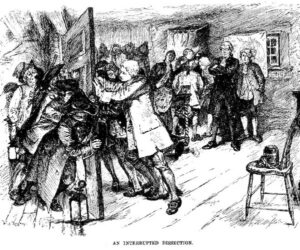
For all its rewards as a gross-out experience, “The Doctors’ Riot of 1788” has an ethical question at its core: does the search for medical knowledge outweigh our respect for human life and death?

Enjoy an instant classic for kids and an established classic that is newly available.
Recent Comments