
Books

Rachel Kushner’s latest novel is mélange of vignettes, stand-alone or linked flash essays, and portentous bits of wisdom.
An absorbing novel that builds steadily, not to a shattering or violent conclusion (all the violence is in the past or offstage) but to a quiet release that is humane and persuasive.
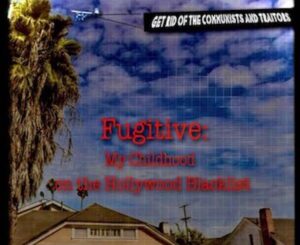
Tony Kahn’s memory is extraordinary, and his talents as a writer, illustrator, and designer are prodigious.
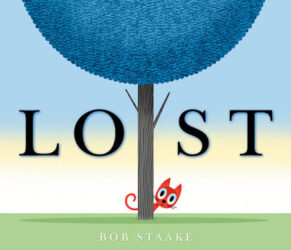
Two new wordless picture books feature animals as friends, revealing greater truths about community and the environment.

August Kleinzahler’s “A History of Western Music” will be a special treat for poetry readers who also appreciate music in all its forms and genres.
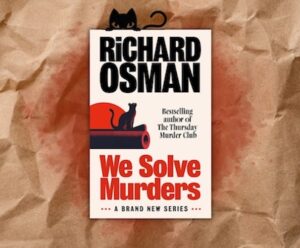
This novel is a fun, light read. But best-selling author Richard Osman needs to take more time to delve into his characters if he wants to equal his previous cozy mysteries.

What Ian O’Donnell underlines so powerfully in “Prison Life” is the necessity of positive human interaction anywhere, including among incarcerated citizens.

If you want to tell people the truth,” quipped Oscar Wilde, “make them laugh, otherwise they’ll kill you.” Louis Bayard’s novel offers a compelling vision of what happened to Oscar and his family when the laughter stopped.

In her debut novel, Alina Grabowski taps into today’s zeitgeist — this is a story of compelling women who must deal with men who disappear or let them down.
Book Reviews: Joan Acocella and Andrea Marcolongo — Writers Who Think Fearlessly
Joan Acocella is more than a critic. She is a thinker, writing at a time when thinkers are not valued much, when exegesis in places other than scholarly journals sometimes seems like a lost art.
Read More about Book Reviews: Joan Acocella and Andrea Marcolongo — Writers Who Think Fearlessly