
Thomas Filbin
Colin Kidd’s lively history follows universities in Oxford and Cambridge from postwar confidence through rebellion, Thatcherite assault, and a troubling loss of institutional nerve.
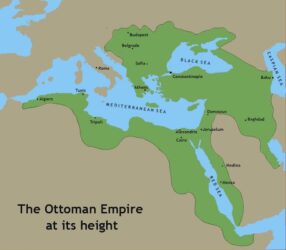
Carter Vaughn Findley’s “Dreams of Empire” charts the endurance, diversity, achievements, and eventual dissolution of a state that bound East and West for nearly six centuries.
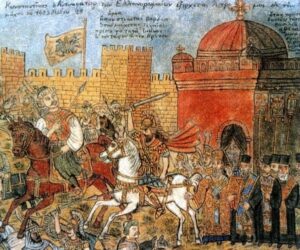
Anthony Kaldellis recasts the fall of Constantinople as a long process of attrition, shaped by strategy, fear, and the limits of Western indifference.
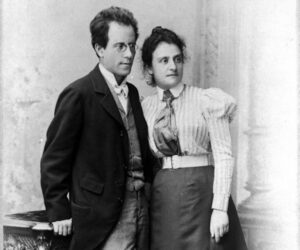
Judith Grohmann’s biography restores a complex cultural force too often reduced to muse and myth.
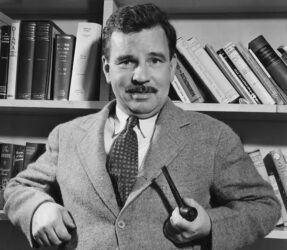
Literary critic Malcolm Cowley’s in-the-trenches vision of modernism deserves to extend beyond the halcyon epoch he witnessed — a case made splendidly by Gerald Howard’s biography.

What our planet needs now is the reincarnation of a writer who, while combing through the nooks and crannies of society for painful truths, uses depictions of the present to demand future changes.
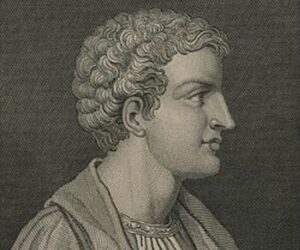
Horace advocated that seizing the immediate with existential zest.

If you want to tell people the truth,” quipped Oscar Wilde, “make them laugh, otherwise they’ll kill you.” Louis Bayard’s novel offers a compelling vision of what happened to Oscar and his family when the laughter stopped.
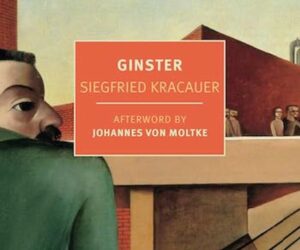
The reissue of this novel now is valuable, beyond its considerable historical and aesthetic virtues, because it makes pertinent points about today’s world, bedeviled by war, misery, poverty, and the enticing lure of despotism as an answer to democracy’s shortcomings.
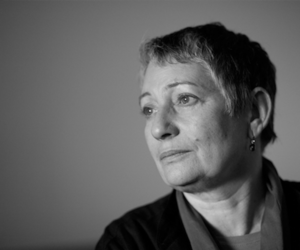
Ludmila Ulitskaya’s stories are fatalistic in spirit, but not morose.
Concert Review: Yo-Yo Ma Elevates a Dispiriting Boston Symphony Orchestra Opening Night