
Jonathan Blumhofer

Overall, this is a strong program done in by unsatisfying recorded sound.

Pianist John Wilson, like his mentor Michael Tilson Thomas, is a servant of the music rather than its dictator and he knows both when and how to step back and let it speak.
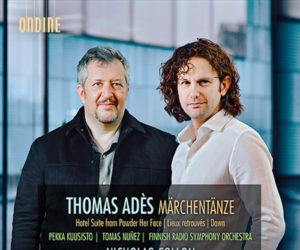
As the composer moves from youth to middle age, Thomas Adès is unique among his contemporaries for his singular embrace of melody, harmony, and form.
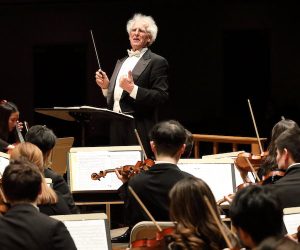
The season-long celebration of the fiftieth anniversary of Benjamin Zander’s debut as a conductor, which gets underway later this month when the Boston Philharmonic Orchestra (BPO) returns to the stage, doesn’t stint on festive spirit.
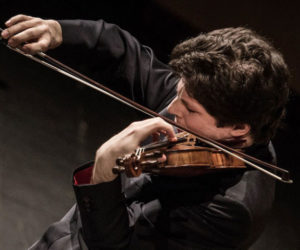
Augustin Hadelich has the feeling of this music – its bittersweet melodic phrases, dancing riffs, and restrained passion – well in hand.
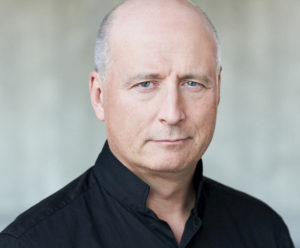
This recording presents one of the most lucid and well-programmed portraits of John Adams to emerge, well, in a long while.

Soviet Armenian composer Aram Khachaturian, at his best, was compelling. Granted, he wasn’t working at this level in every piece. But most of his bigger works are better than not.
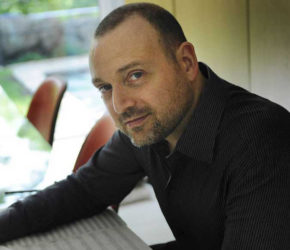
For Derek Bermel fans, Intonations is a must. For new music enthusiasts and the otherwise curious – ditto.
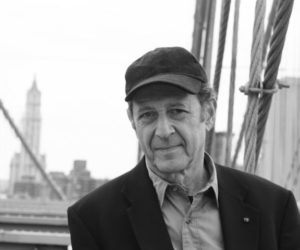
At its best, Steve Reich’s Conversations is illuminating and engaging, an honest discussion of the creative process by one of the major composers of our times.
Classical Critic’s Notebook: Sergei Rachmaninoff’s Symphony No. 2
Whatever Rachmaninoff’s conflicted feelings about writing symphonies were, there’s nothing ambiguous about the content of his Second Symphony. From start to finish, it’s a marvel of melodic freshness and brilliant instrumentation.
Read More about Classical Critic’s Notebook: Sergei Rachmaninoff’s Symphony No. 2