
Visual Arts
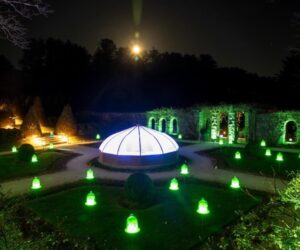
The intent was to create a winter display that had no religious message but that would illuminate The Mount at this darkest time of year, that would call attention to its wintry beauty.
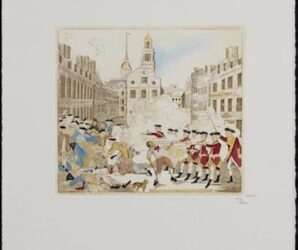
It’s as if the curators of this BPL exhibit are warning us that the future of our democracy depends on our paying attention.
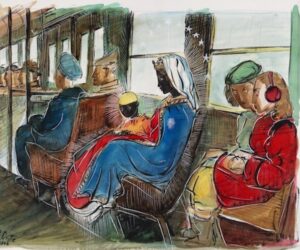
As an artist, Allan Crite was always observing, drawing, and thinking about his Boston—the buildings, streets, parks, and playgrounds of Lower Roxbury and the South End.
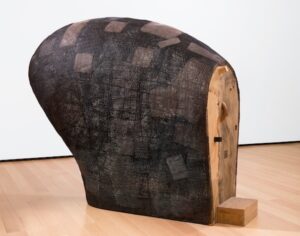
I found it remarkable to explore the exhibition, then experience a kind of filmic audience with the artist, then return, fired up and enlightened, to the beautiful installation.
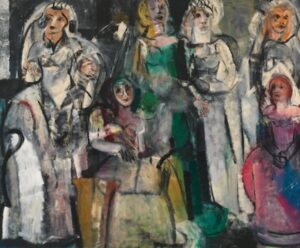
The exhibit highlights the interplay between Grace Hartigan and the circle of modern poets who became her friends, supporters, and in some cases, patrons.
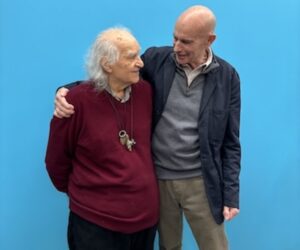
Mario Diacono’s works were a guide – a guide to see and think deeply about words and images.

Some critics will consider the work in this show extreme, but one of the many strengths of American Artist lies in the fact that they draw on Butler’s prescient dystopian vision, elements of which are becoming a reality.
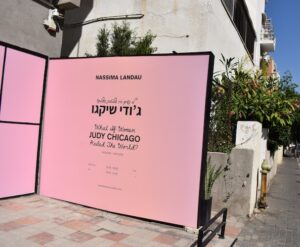
Perhaps asking that Judy Chicago’s exhibition not come was a necessary strategy in the short term, to help end Israeli brutality. But the lesson her show teaches us is necessary in the long term, so that Israelis will stop glorifying that very same brutality.
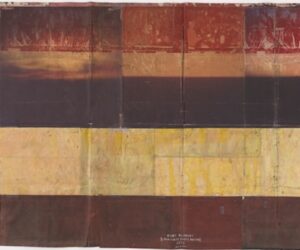
By engaging with this work, museum visitors are likely to gain a greater appreciation for — and understanding of — the wide-ranging talents of Indigenous artists.
Visual Arts Commentary: John Singer Sargent — A Particular Sort of Loner
Viewing John Singer Sargent and his art through the lens of identity studies and LGBTQ history supplies new insights into claims about his homosexuality.
Read More about Visual Arts Commentary: John Singer Sargent — A Particular Sort of Loner