
Books
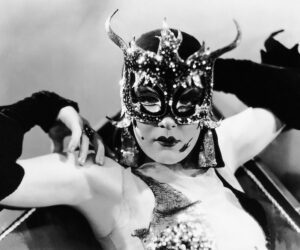
Film fans who love the style and spirit of early-thirties Hollywood will have to control themselves from drooling happily all over this fabulously written, photo-filled volume.

This heartbreaking book documents the history of contemporary Russia through its women.

This is poetry that sets its goals, finds the right language to reach them, hits hard, and recovers an ancient purpose for verse that has fallen by the wayside in recent times: consolation.
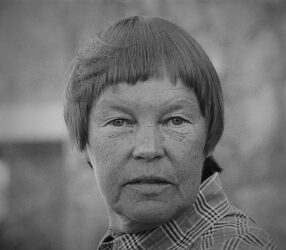
Optimistic, a canny survivor, relentless, genderfluid—poet May Swenson described herself as “I am one of those to whom miracles happen.”

The biographer puts far too much emphasis on Sam Shepard’s louche life, neglecting to provide much analysis about the value of his stage work, particularly on whether it will endure.
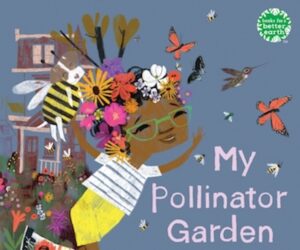
Three beautiful new picture books for kids about nature, color, and gardening will inspire, inform, and delight.

“Stitching Freedom” sheds necessary and welcome light on the sick and damaging history and current state of incarceration in this country.

A generous serving of what theater critic John Lahr calls playwright John Guare’s “funhouse-mirror reflection of American life’s caprice and chaos in the twentieth and twenty-first centuries.”

This is the story of powerless little people caught up in a confusing maelstrom, at the receiving end of senseless violence.

How our memoirist and the man who shook Mickey Mouse’s hand crossed paths is characteristic of the author’s good fortune and perseverance.
Recent Comments