
Books

For anyone interested in the man or that era, De Gaulle is indispensable.
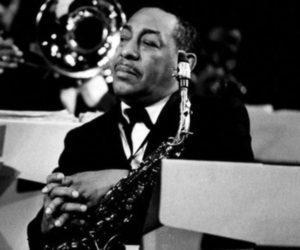
Johnny Hodges was originally a Cambridge/Boston guy, and one of the most interesting sections of Con Chapman biography is his knowledgeable description of the local jazz scene in the 1910’s and ’20s.
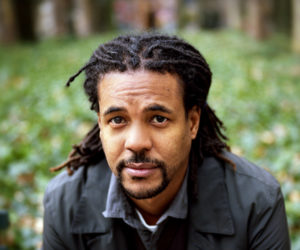
Colson Whitehead’s work is political in the sense that he has an incredibly keen eye for the insidious ways in which institutions and structures of power work.
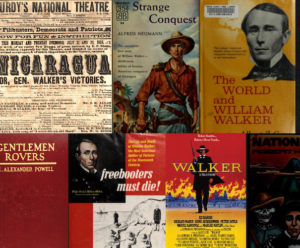
A new biography of the oft-forgotten ‘filibuster’ provides ample facts and little thesis. Is that enough — don’t we need more?
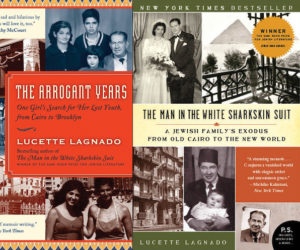
To have such a remarkably courageous voice as Lucette Lagnado’s silenced forever at such a young age is, simply, not fair.
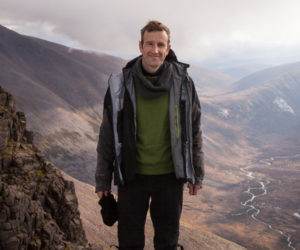
Robert Macfarlane’s ability to limn the pull between beauty and cataclysm provides a dynamism that elevates this book well above the level of simple “nature” writing.
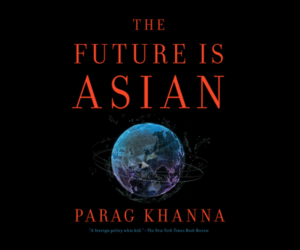
Marshaling statistics, maps, scholarly literature, news articles, and reports, The Future is Asian cogently dramatizes the reasons behind Asia’s re-ascendance to economic, political, and cultural primacy.
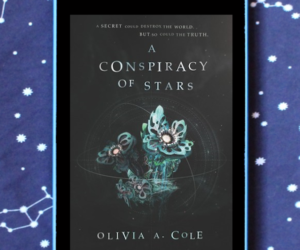
This is the first in a series of pages in which in one of our critics, working with a young person, comes up with an arts review.
Michael Hofmann nicely captures our age of truthiness and alternate facts and multiple perspectives, the hollowness of everything from the news-cycle to pop-up restaurants, all of the distractions driven by money and advertising.
Book Interview: Jay Wexler on the State of “Our Non-Christian Nation”
The book deals with how Atheists, Wiccans, Summums, Muslims, and Satanists “fought to have their voices heard” in communities dominated by Christians and others who were skeptical of their claim that the First Amendment applies equally to all religions.
Read More about Book Interview: Jay Wexler on the State of “Our Non-Christian Nation”