
Posts
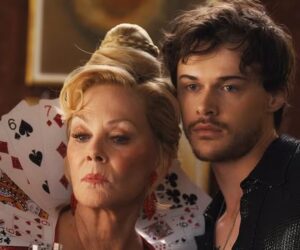
“Hacks” has been one of the best sitcoms in recent years.

However well or ill this smoldering novel works, it is undeniably compelling, with an ending neither tragic nor happy.

Faced with the bizarre evolution of John Lilly’s life and ideas, the directors were wise to refrain from sensationalism.
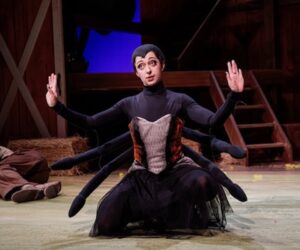
With its production of “Charlotte’s Web,” WFT has created a lovely, balanced experience — by turns obvious and full of nuance — that offers life lessons and the value of multigenerational sharing.

Vicky Osterweil examines how Unca Walt’s empire imposes a politically dangerous, patriarchal form of homogenization across all its intellectual properties—from the Marvel Cinematic Universe to cartoons, to “Star Wars” films and shows, and to amusement park “experiences.”

What may look at first like exercises in verbal acrobatics — closely rhymed sonnets, delicate madrigals, intricate sestinas — are simultaneously expressions of confessional, personal anguish.

The messaging and its delivery were never self-righteous — Puscifer provoked rather than preached.
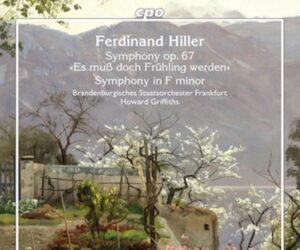
This is one of the most welcome, ear-opening recordings I’ve heard in recent years, easily capable of restoring Ferdinand Hiller to the position he once held as the composer of highly accomplished, enjoyable, and intriguing works.

A renovated and flexible performance space with unlimited free parking is what every theater company from Boston to Portland dreams of.
Classical Music Commentary: Boston’s Lost Opportunity — How the BSO Board Chose Charles Munch over Leonard Bernstein
In Boston, Leonard Bernstein might have sustained Serge Koussevitzky’s bold adventure—and changed the course of American classical music. Today’s Boston Symphony is adrift
Read More about Classical Music Commentary: Boston’s Lost Opportunity — How the BSO Board Chose Charles Munch over Leonard Bernstein