
Poetry


We owe Shangyang Fang a debt for bringing the delicacy, obliqueness, and sheer tremulous beauty of these Chinese poems to English-speaking readers.
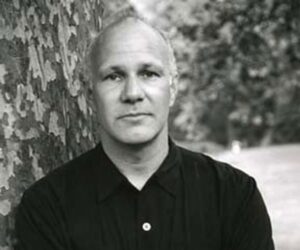
There are reassuring lyrics here that suggest that, no matter what terror comes along, our noble charge is to fight to the end, joyously.

Chronicling acts of feminist sisterhood, “Girlfriend” memorializes a mutual support system that has been among the backbones of American life.

You could say that Thomas O’Grady’s poems have the eyes of a horse — channeling history and mythology through the contemporary lens of poetry’s eternal present.
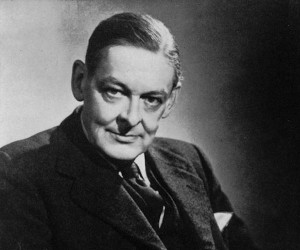
The value of “On Frost and Eliot” is sending the reader spinning out of its own text and back to poems by two of the major poets of the 20th century, each of whom has suffered from the vagaries of fashion, both in popularity and neglect.

Ron Padgett’s “Pink Dust” proves that W.H. Auden was wrong — the nothing of poetry contains everything required to make a good (even heroic) life happen.

For poet Elizabeth T. Gray, Jr., the neurological is also archeological.

The healing powers of poetry is a sieve through which Ange Mlinko pours bitterness and disunity, cosmic and personal.

“What Comes from the Night’ testifies to John Taylor’s complex bond with nature, a generous alliance that includes moments of introspection and melancholy.
Music Commentary: Brian Wilson’s Legacy Thrives — 2026 Reissues Reviewed