
Lauren Kaufmann
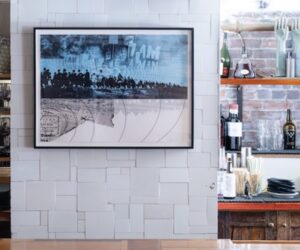
In this exhibit, curator Robin Hauck celebrates ten Boston-area artists who resist the relentless distractions that contemporary life imposes on all of us.
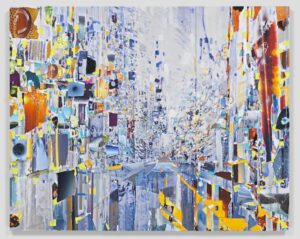
This exhibit is a fair reflection of the museum’s desire to spotlight work by artists who have traditionally been neglected by the museum world.
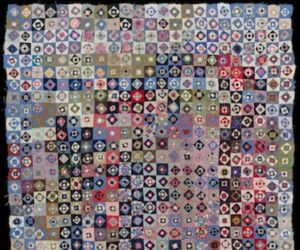
Although the work seems timeless, its modernity reflects a culture that reveres its age-old traditions and preserves them over many generations.
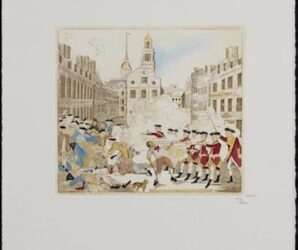
It’s as if the curators of this BPL exhibit are warning us that the future of our democracy depends on our paying attention.
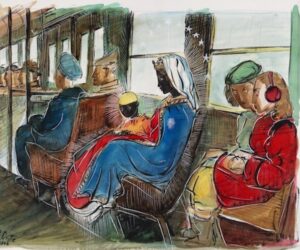
As an artist, Allan Crite was always observing, drawing, and thinking about his Boston—the buildings, streets, parks, and playgrounds of Lower Roxbury and the South End.
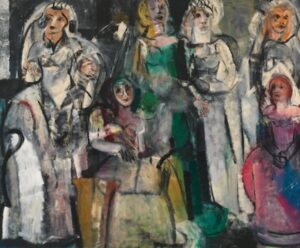
The exhibit highlights the interplay between Grace Hartigan and the circle of modern poets who became her friends, supporters, and in some cases, patrons.
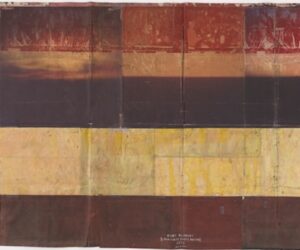
By engaging with this work, museum visitors are likely to gain a greater appreciation for — and understanding of — the wide-ranging talents of Indigenous artists.
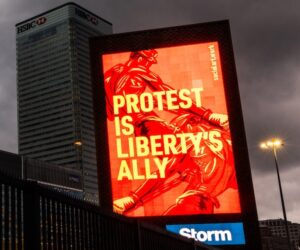
The book provides ample proof that activist artists, when determined, can use their work to influence our thinking in positive ways, and effect change.
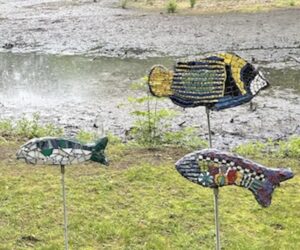
Viewing the art while strolling along the Muddy River gives city-dwellers and visitors a reason to linger and enjoy one of the city’s oldest and most beautiful open spaces.
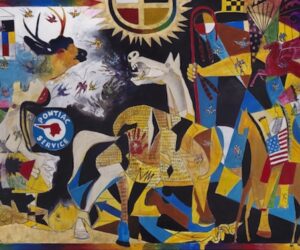
This exhibition is evidence of the venerable museum’s interest in expanding its collections so that more voices and perspectives can contribute to our understanding of our own complicated history.
Recent Comments