
Television Review: Too Much Reality? “Fit for TV: The Reality of the Biggest Loser”
By Sarah Osman
The Netflix documentary Fit for TV reveals the truth about quickie weight loss.
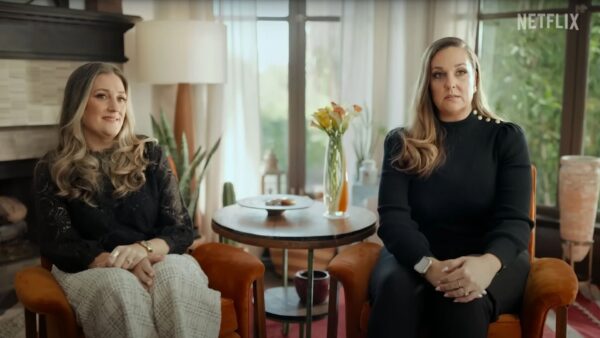
A still from the trailer Fit for TV: The Reality of the Biggest Loser. Photo: YouTube/ Netflix)
The 2000s were synonymous with atrocious reality TV. We had children left to fend for themselves on Kid Nation, women undergoing multiple plastic surgeries and competing in a beauty pageant on The Swan, and people eating live worms on Fear Factor. Compared to these, The Biggest Loser didn’t seem so malevolent: obese adults competing to lose the highest percentage of weight. But a new docuseries on Netflix, Fit for TV: The Reality of the Biggest Loser, reveals that The Biggest Loser was just as horrid as all the others.
In truth, I never watched The Biggest Loser. The name alone turned me away. I had a vague understanding of the series before watching Fit for TV. For those of you who also never saw the series, each season went like this (from what I gathered from the docuseries): a group of obese contestants was divided into teams. They underwent brutal workouts while being screamed at by trainers, who also doubled as on-the-spot therapists. The contestants were then weighed: whoever lost the least amount of weight was kicked off the show. This cycle continued until one participant was awarded the title “biggest loser,” i.e., the person who had lost the most weight.
In the docuseries, trainer Bob Harper admitted that extreme exercise isn’t ideal for weight loss — a healthy diet is. Yet the series rarely focused on proper eating habits; instead, multiple contestants admitted to starving themselves, often eating only 800 calories and exercising for eight hours a day. Harper explains that watching people eat fruits and veggies isn’t entertaining — watching people get screamed at while on a treadmill, well, that sure is. Harper, who was meant to be one of the nicer trainers, comes across as a smug jerk who relished torturing others. He doesn’t admit to any faults in his methods and shrugs off scenes where he is shown berating contestants. Instead, he has decided to throw his fellow trainer, Jillian Michaels, under the bus. (She refused to be interviewed.) Perhaps she is aware of just how awful she was on the show, sadistic behavior that Fit for TV highlights. At one point, contestants reveal that Michaels gave them caffeine pills.

Trainer Bob Harper in Fit for TV: The Reality of the Biggest Loser. Photo: Netflix
Harper may show no remorse, but the doctor for The Biggest Loser, Dr. Huizenga, is nothing but apologetic. He explains (rationalizes?) that he stayed on the series for so long because he was the only one there who wanted to protect the contestants from abuse. Huizenga explains the healthy amount of calorie intake necessary in order to lose weight. He tried to stop a contestant from continuing on the show after they had sustained a serious injury. Because of Huizenga’s recommendations, the series finally implemented some much-needed safety guidelines. He comes across as the most sympathetic person in the production team, the only one who actually cared about the contestants and not just scoring high ratings.
The contestants themselves affirm the charges that the documentary makes about The Biggest Loser. Most of the participants regained their weight — often because of the way the show messed up their metabolisms. Many still struggle with taking regular exercise and adjusting their eating habits. Some had to deal with PTSD. It’s clear many of the contestants would have benefited from therapy (the real thing, not whatever the trainers were doing).
Unlike other dishy docuseries, Fit for TV ends on a tragic tone. The last episode acknowledges that, while body positivity has grown and we have a better understanding of the links between weight and health, much of that work is being undone by the arrival of miracle drugs like Ozempic. Popping a pill makes losing weight so easy. The Biggest Loser was canceled in 2020 and that wasn’t so long ago. Weight loss culture still pervades (some would say obsesses) our everyday lives and the American obesity epidemic has only grown. Punishment-oriented series like The Biggest Loser weren’t the answer, particularly because they posed impossible standards. Fit for TV reveals the truth about quickie weight loss — and it is just another big mess.
Sarah Mina Osman is based in Los Angeles. In addition to The Arts Fuse, her writing can be found in The Huffington Post, Success Magazine, Matador Network, HelloGiggles, Business Insider, and WatchMojo. She has an MFA in Creative Writing from the University of North Carolina Wilmington and is working on her first novel. She has a deep appreciation for sloths and tacos. You can keep up with her on Instagram @SarahMinaOsman and at Bluesky @sarahminaosman.bsky.social.
Tagged: "Fit for TV: The Reality of the Biggest Loser", "The Biggest Loser"